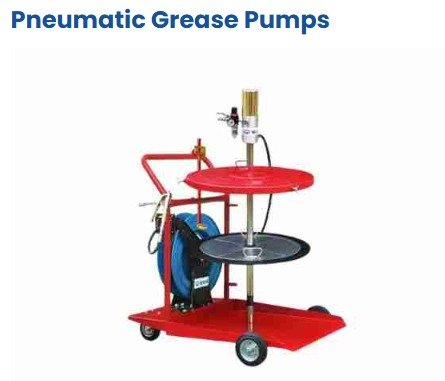
Industrial operations rely heavily on efficient machinery to maintain productivity and reduce downtime. Among the many tools that keep machines running smoothly, lubrication systems play a critical role. One of the most effective solutions in this area is the electrical grease pump. Designed to deliver consistent lubrication to machinery components, these pumps provide numerous advantages that make them indispensable in modern industrial applications.
Enhancing Equipment Longevity
Machines operating in industrial environments are subjected to continuous friction and wear. Proper lubrication is essential to minimize this wear, and an electrical grease pump ensures that machinery receives the precise amount of grease needed. Unlike manual lubrication methods, which are prone to human error and inconsistency, electrical grease pumps offer a steady, controlled flow of grease. This consistent lubrication reduces metal-to-metal contact, preventing premature wear and extending the lifespan of critical equipment components such as bearings, gears, and joints.
Increasing Operational Efficiency
Downtime in industrial operations can be costly, leading to lost production and increased maintenance expenses. By automating the lubrication process, an electrical grease pump minimizes the risk of machinery failure due to inadequate lubrication. These pumps can operate continuously or at scheduled intervals, ensuring that lubrication is always maintained without the need for manual intervention. This automation not only saves time but also allows operators to focus on other critical tasks, improving overall operational efficiency.
Precision and Consistency in Lubrication
One of the standout advantages of using an electrical grease pump is its ability to deliver precise amounts of grease to specific machine components. Many industrial machines require exact lubrication levels to function optimally, and over-lubrication or under-lubrication can lead to serious issues. Electrical grease pumps are designed with adjustable settings that allow operators to control the volume and frequency of grease delivery. This precision ensures that each component receives the appropriate lubrication, maintaining smooth operation and reducing the risk of costly repairs.
Reducing Labor Costs
Traditional lubrication methods often require manual labor, which can be time-consuming and physically demanding. Industrial workers need to access hard-to-reach components, sometimes in hazardous environments, which increases the risk of accidents and injuries. By implementing an electrical grease pump, industries can significantly reduce the need for manual lubrication, lowering labor costs and improving workplace safety. These pumps can be installed in centralized systems, automatically distributing grease to multiple points simultaneously, further minimizing labor requirements.
Environmental and Safety Benefits
Using an electrical grease pump also contributes to a cleaner and safer working environment. Manual grease application can be messy, leading to spills, contamination, and slippery surfaces that pose safety hazards. Electrical grease pumps deliver grease directly to the intended points, reducing waste and keeping the workspace cleaner. Additionally, automated lubrication reduces workers’ exposure to potentially harmful substances and eliminates the need for repetitive, physically strenuous tasks.
Compatibility with Modern Industrial Systems
Modern industrial equipment often incorporates complex systems with multiple lubrication points. Electrical grease pumps are highly compatible with such systems, offering flexible installation options and integration with existing machinery. Many pumps come with programmable controls and monitoring capabilities, allowing operators to track lubrication schedules, detect blockages, and maintain optimal system performance. This adaptability makes electrical grease pumps suitable for a wide range of industries, from manufacturing and automotive production to food processing and heavy machinery operations.
Cost-Effectiveness Over Time
While the initial investment in an electrical grease pump may be higher than traditional manual lubrication methods, the long-term benefits outweigh the upfront cost. Reduced equipment wear, lower labor expenses, decreased downtime, and minimized grease waste all contribute to significant cost savings over time. Industries that implement automated lubrication systems often experience higher productivity and fewer maintenance issues, making electrical grease pumps a sound financial decision.
Enhancing Precision Maintenance Programs
In modern industrial operations, predictive and preventive maintenance programs are crucial for efficiency and reliability. An electrical grease pump complements these programs by providing reliable and consistent lubrication data. Many pumps are equipped with sensors and monitoring systems that record lubrication activity, helping maintenance teams identify potential issues before they lead to equipment failure. This data-driven approach improves maintenance planning, reduces unexpected breakdowns, and enhances overall equipment performance.
Easy Installation and Scalability
Electrical grease pumps are designed for easy installation and scalability. Depending on the size and complexity of an industrial operation, a single pump can service multiple lubrication points, or a network of pumps can be integrated to cover an entire production line. The modular nature of these systems allows industries to expand their lubrication infrastructure as operational demands grow. This scalability ensures that machinery remains well-maintained even as production capacity increases.
Improving Productivity and Reliability
Ultimately, the primary advantage of using an electrical grease pump is its contribution to higher productivity and equipment reliability. Consistent lubrication reduces friction and heat, ensuring machines run smoothly and efficiently. With fewer breakdowns and extended equipment life, production schedules can be maintained with minimal interruptions. In industries where time is critical and downtime can result in substantial financial losses, the reliability provided by electrical grease pumps is invaluable.
Conclusion
In the fast-paced environment of industrial operations, maintaining machinery in optimal condition is a top priority. The electrical grease pump provides a reliable, efficient, and precise solution for automated lubrication, enhancing equipment longevity, reducing labor costs, and improving overall productivity. Its ability to deliver consistent lubrication, integrate with modern machinery, and support maintenance programs makes it an essential tool for industries seeking to maximize performance while minimizing operational risks. Investing in electrical grease pumps is not just a choice for convenience; it is a strategic decision that ensures smoother, safer, and more cost-effective industrial operations.