Basement water damage is a significant concern for homeowners, as it can lead to costly repairs, health hazards, and structural problems. Understanding the causes and effective solutions is key to protecting your home and preventing long-term issues. This guide explores common sources of basement water damage, how to identify them, and practical methods to fix and prevent future problems.
Understanding Basement Water Damage
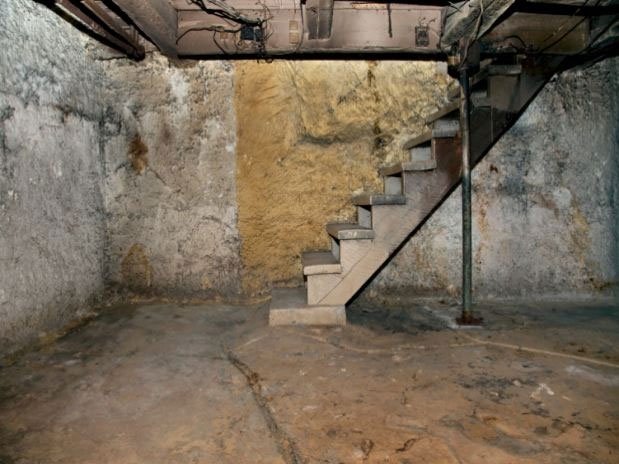
Basement water damage occurs when water infiltrates your basement through various entry points. It can manifest as visible flooding, damp walls, musty odors, or even mold growth. The consequences of ignoring basement water damage are severe, including weakened foundations, damaged flooring, and health risks from mold and mildew. Homeowners must act promptly to assess the source and apply the right remediation strategies.
Common Causes of Basement Water Damage
Poor Drainage Around the Foundation
One of the most frequent causes of basement water damage is inadequate drainage around the home’s foundation. Rainwater or melting snow can accumulate near the foundation if gutters are clogged or downspouts do not direct water away from the house. Over time, this pooling water seeps through the foundation walls or floor, causing persistent moisture problems.
Cracks in Foundation Walls or Floors
Foundation cracks, whether small hairline fissures or larger gaps, are prime entry points for water. Water pressure from outside the home can force moisture through these cracks, leading to basement water damage. Over time, these cracks may widen, worsening the problem and making repairs more complicated.
Faulty or Aging Plumbing
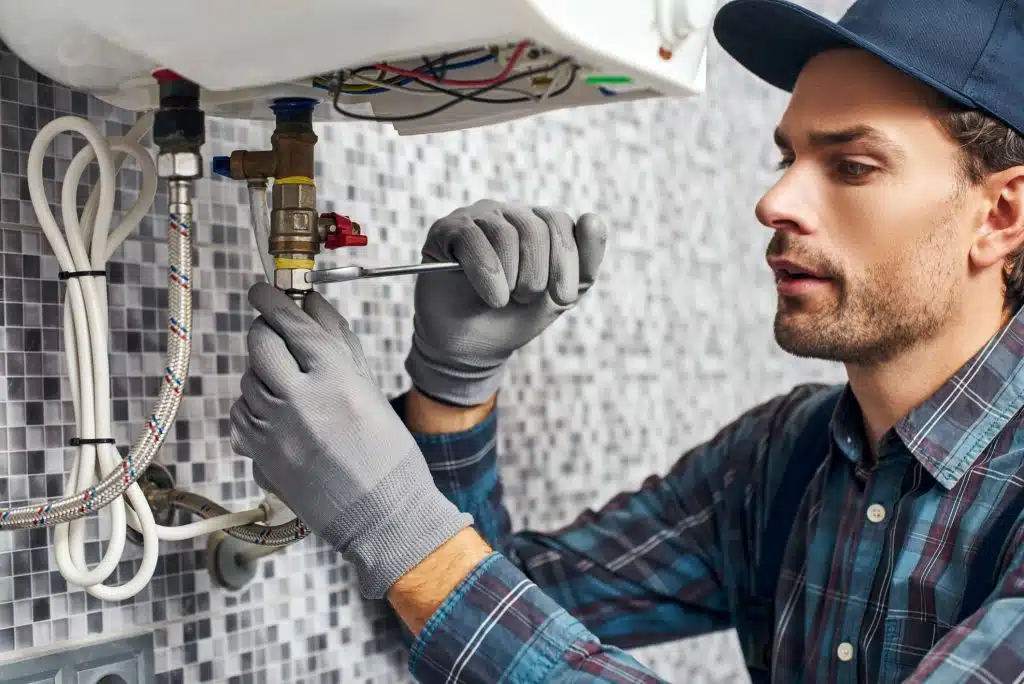
Leaky pipes, burst water lines, and malfunctioning appliances like water heaters or washing machines can directly contribute to basement water damage. Even minor plumbing leaks that go unnoticed can cause significant damage over time, promoting mold growth and structural weakening.
Sump Pump Failure
Many basements rely on sump pumps to remove excess water from the property. If the sump pump fails due to mechanical issues, power outages, or poor maintenance, the basement becomes vulnerable to flooding. Regular testing and maintenance of the sump pump system are crucial to prevent unexpected basement water damage.
Hydrostatic Pressure
Hydrostatic pressure occurs when groundwater accumulates around the foundation, exerting force against basement walls. This pressure can push water through cracks, joints, and porous concrete, leading to persistent moisture issues. Homes in areas with high water tables are particularly susceptible to this problem.
Poor Sealing and Insulation
Improperly sealed windows, doors, and vents in the basement can allow water and moisture to enter. Additionally, inadequate insulation can contribute to condensation problems, exacerbating basement water damage. Properly sealing and insulating these areas is vital to keep the basement dry.
Signs of Basement Water Damage
Recognizing the early signs of basement water damage can prevent costly repairs. Common indicators include damp or wet spots on walls and floors, peeling paint, warped flooring, musty odors, visible mold, and efflorescence (white powdery deposits on walls). Regularly inspecting the basement can help catch problems before they escalate.
How to Fix Basement Water Damage
Address Exterior Drainage Issues
Improving exterior drainage is the first step in preventing basement water damage. Ensure gutters are clean, downspouts direct water at least six feet away from the foundation, and the surrounding soil slopes away from the home. Installing French drains or surface drains can further help divert water from the foundation.
Repair Foundation Cracks
Foundation cracks should be sealed promptly to stop water infiltration. Small cracks can often be filled with epoxy or polyurethane injections, while larger structural issues may require professional intervention. A foundation repair specialist can assess the severity and recommend appropriate solutions.
Fix Plumbing Problems
Regularly inspect and maintain all plumbing systems in the home. Replace old pipes, repair leaks promptly, and ensure appliances like water heaters and washing machines are in good working condition. Installing a water leak detection system can provide early warnings of plumbing issues that could lead to basement water damage.
Maintain Sump Pumps
Test your sump pump regularly and keep it clean to ensure proper operation. Consider installing a battery backup or secondary pump to provide extra protection during power outages. Regular maintenance can prevent unexpected basement flooding and water damage.
Waterproofing Solutions
Applying waterproof coatings or membranes to basement walls and floors can create a barrier against moisture intrusion. Interior drainage systems, such as perimeter drains or catch basins, can help manage water that penetrates the foundation. Exterior waterproofing, including foundation sealants, can provide long-term protection against basement water damage.
Control Humidity and Condensation
Dehumidifiers can help maintain optimal humidity levels in the basement, preventing condensation and mold growth. Insulating pipes and walls can reduce temperature differences that lead to condensation. Proper ventilation is also crucial for keeping the basement dry and minimizing moisture-related damage.
Mold Remediation
If mold has already developed due to basement water damage, professional mold remediation may be necessary. Mold not only damages materials but also poses health risks. Proper cleaning, removal of affected materials, and treatment with anti-fungal solutions can restore a safe environment.
Preventing Future Basement Water Damage
Prevention is always better than repair. Regularly inspect your foundation, plumbing, and sump pump system. Maintain gutters, improve landscaping drainage, and seal basement openings to minimize water entry. Routine maintenance and early interventions are the best strategies to avoid extensive basement water damage.
Choosing Professional Help
While some basement water damage issues can be addressed by homeowners, severe cases often require professional assistance. Licensed contractors can assess structural damage, install advanced waterproofing systems, and ensure that the basement remains safe and dry. Engaging professionals early can save money and prevent long-term damage.
Conclusion
Basement water damage is a serious issue that can affect the safety, comfort, and value of your home. Understanding the common causes—from poor drainage and foundation cracks to plumbing failures and hydrostatic pressure—is essential for effective prevention and repair. By addressing these issues promptly, applying waterproofing techniques, maintaining plumbing and sump pumps, and controlling humidity, homeowners can protect their basements from water damage. Regular inspections, preventive maintenance, and professional support ensure that your basement remains a dry, healthy, and functional space for years to come.