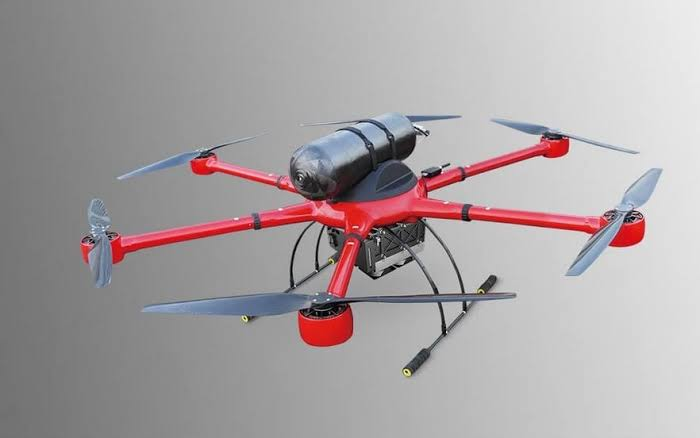
Unmanned aerial vehicles (UAVs) are becoming increasingly important across industries such as logistics, agriculture, environmental monitoring, surveying, emergency Hydrogen Storage System for UAV response, and defense. As these applications become more demanding, the need for longer flight times, higher efficiency, and reliable onboard power is growing. Traditional battery-powered UAVs can provide excellent performance for many applications, but limited energy density often restricts their endurance. This is where hydrogen technology offers an exciting alternative. A Hydrogen Storage System for UAV can provide a lightweight and efficient energy solution designed to support extended aerial missions while reducing the need for frequent recharging.
Understanding Hydrogen Storage for UAVs
Hydrogen storage refers to the technology used to contain hydrogen safely and deliver it to an energy conversion system. In UAV applications, hydrogen can typically be supplied to a fuel cell, where it reacts with oxygen to generate electricity. The electricity then powers the aircraft’s propulsion system, flight electronics, sensors, and communication equipment.
Unlike conventional batteries, which store electrical energy directly, hydrogen systems store energy in the form of chemical fuel. This approach can offer a higher specific energy potential, making it attractive for UAVs that need to remain airborne for extended periods.
A Hydrogen Storage System for UAV must be designed around several important factors, including weight, storage capacity, pressure, safety, durability, and integration with the aircraft. A well-designed system can help UAV manufacturers balance endurance with overall aircraft performance.
Why Hydrogen Is Attractive for Long-Endurance UAVs
Flight endurance is one of the most important performance factors for UAV operators. Battery-powered drones may require relatively frequent landing and charging, which can interrupt operations and increase downtime. Hydrogen fuel-cell systems can potentially extend operational periods by providing a continuous source of electrical power as long as hydrogen is available.
Hydrogen also has a high energy content by mass. This characteristic makes it particularly interesting for aircraft where every gram matters. Although the complete system includes tanks, fuel cells, regulators, and other components, hydrogen-based propulsion can still provide significant endurance advantages for suitable UAV designs.
For applications such as aerial mapping, infrastructure inspection, agricultural monitoring, and environmental observation, longer endurance means greater coverage during each mission. Operators may be able to collect more data, reduce the number of takeoffs and landings, and improve overall mission efficiency.
Key Components of a Hydrogen Storage System for UAV
A complete hydrogen storage solution generally consists of multiple integrated components. The hydrogen storage tank is one of the most important elements because it must contain the fuel while keeping weight as low as possible. Advanced composite tanks can provide high strength while reducing unnecessary mass.
The system may also include pressure regulation equipment to control hydrogen delivery. Sensors and monitoring systems can track parameters such as pressure, temperature, and fuel availability. Safety valves and other protective components are essential for managing abnormal operating conditions.
Another major component is the fuel cell. The fuel cell converts hydrogen into electrical energy, which can then be supplied to the UAV’s motors and onboard electronics. Depending on the aircraft design, batteries may also be incorporated as part of a hybrid power system to handle peak loads during takeoff, acceleration, or other demanding flight conditions.
Improving UAV Mission Efficiency
One of the biggest advantages of hydrogen-powered UAVs is the potential to improve mission efficiency. Longer flight endurance can reduce operational interruptions and allow drones to complete tasks that would otherwise require multiple flights.
For example, an inspection UAV equipped with a suitable hydrogen system could remain airborne longer while examining power lines, pipelines, bridges, or other infrastructure. Similarly, agricultural UAVs could potentially survey larger areas during a single mission.
Extended endurance is also valuable for scientific research. UAVs used for atmospheric measurements, wildlife monitoring, and environmental surveys can benefit from longer operating periods because they can gather more information without constantly returning to the ground.
Challenges in Hydrogen UAV Development
Despite its potential, hydrogen storage technology also presents engineering challenges. Storage systems must provide sufficient hydrogen capacity without adding excessive weight to the aircraft. Tank design therefore requires careful consideration of structural strength, pressure management, size, and weight.
Safety is another major consideration. Hydrogen is highly flammable, so storage and delivery systems must be engineered with appropriate containment, monitoring, ventilation, and protective measures. UAV manufacturers must consider the entire fuel pathway, from storage and transportation to onboard use.
Infrastructure can also influence adoption. Hydrogen availability is not as widespread as conventional electricity, meaning operators may need suitable systems for hydrogen production, storage, transportation, or refueling. These practical considerations can affect the economic feasibility of hydrogen-powered UAV fleets.
Hybrid Hydrogen-Battery Systems
Hybrid power systems are another promising direction for UAV development. Instead of relying entirely on hydrogen fuel cells, a UAV can combine a fuel cell with a rechargeable battery.
In such a configuration, the hydrogen fuel cell can provide relatively steady power during normal flight, while the battery can support short periods of higher power demand. This approach can improve system flexibility and potentially reduce the size or operating burden of individual components.
A hybrid Hydrogen Storage System for UAV can therefore be optimized according to mission requirements. Designers can determine the appropriate balance between hydrogen capacity, battery capacity, fuel-cell output, aircraft weight, and expected flight profile.
Future Applications
Hydrogen-powered UAVs could support a wide range of future applications. Logistics companies may explore long-endurance drones for delivery operations, while energy companies could use them for infrastructure inspections. Emergency response organizations may benefit from drones capable of extended aerial observation during natural disasters or other large-scale incidents.
Environmental monitoring is another promising field. UAVs can collect data over forests, coastlines, agricultural areas, and remote locations where conventional aircraft may be expensive to operate. Longer endurance can improve the amount and quality of information collected during each mission.
As hydrogen production, storage, fuel-cell technology, and lightweight composite materials continue to advance, UAV systems may become more practical and efficient.
Choosing the Right Hydrogen Storage Solution
Selecting a hydrogen storage system requires careful evaluation of the UAV’s mission profile. Important factors include required flight duration, payload capacity, aircraft dimensions, operating altitude, environmental conditions, refueling requirements, and overall weight limitations.
Manufacturers should also evaluate storage pressure, tank materials, durability, safety systems, fuel-cell compatibility, and maintenance requirements. The goal should not simply be to maximize hydrogen capacity but to create a balanced system that supports the UAV’s complete operational requirements.
Conclusion
The development of a Hydrogen Storage System for UAV represents an important step toward longer-endurance and more efficient aerial operations. Hydrogen can provide an attractive energy pathway for UAVs that require extended flight times and dependable power. When combined with fuel-cell technology and, where appropriate, battery systems, hydrogen storage can help overcome some of the endurance limitations associated with conventional battery-powered aircraft.
Although challenges involving safety, weight, infrastructure, cost, and system integration remain, continued innovation is improving the potential of hydrogen-powered UAVs. As demand for longer and more capable unmanned aircraft grows, hydrogen storage technology could play an increasingly important role in advancing the next generation of aerial missions.