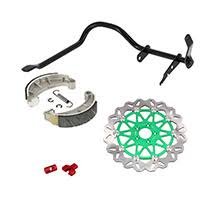
Car tuning is an exciting way to personalize a vehicle, improve its performance, and create a look that reflects your style. However, beginners can easily feel overwhelmed tuning parts by the wide range of products available. From suspension upgrades and exhaust systems to bodykits, wheels, and performance components, there are countless options to consider. Understanding the purpose of different tuning parts is the first step toward making smart decisions and building a vehicle that suits your goals.
Whether you want better handling, improved performance, a more aggressive appearance, or simply a personalized driving experience, this guide will help you understand the basics of car tuning.
What Are Tuning Parts?
Tuning parts are aftermarket components designed to modify or improve different aspects of a vehicle. Depending on the component, an upgrade can affect performance, handling, appearance, comfort, sound, or aerodynamics.
Some tuning parts are designed specifically for performance, while others focus mainly on styling. For example, an upgraded suspension system can improve handling, whereas a new bodykit can dramatically change the vehicle’s appearance.
The most important thing for beginners is to understand what each component does before purchasing it. Choosing parts based only on appearance or popularity may not always produce the desired results.
Why Do People Tune Their Cars?
There are several reasons why car enthusiasts choose to modify their vehicles. One of the most common reasons is improved performance. Upgrading certain components can make a vehicle feel more responsive and enjoyable to drive.
Appearance is another major reason. Custom wheels, spoilers, bumpers, grilles, and bodykits can give a standard vehicle a distinctive appearance. Even relatively simple changes can make a significant visual difference.
Some owners also tune their cars to improve handling. Suspension upgrades, better brakes, and appropriate wheels and tires can help create a more controlled driving experience.
Finally, tuning allows owners to express their personality. A customized vehicle can reflect an individual’s preferred style, whether that means a subtle factory-inspired appearance or a more dramatic custom build.
Start With Your Tuning Goals
Before buying any parts, determine what you want to achieve. This will make the entire process easier and help prevent unnecessary spending.
If your main goal is appearance, you might focus on bodykits, custom wheels, grilles, bumpers, spoilers, and lighting upgrades. If performance is your priority, you may be more interested in suspension, braking, exhaust, intake, or engine-related upgrades.
You should also consider whether your vehicle is used primarily for daily driving, long-distance trips, occasional events, or track activities. A modification that works well for one purpose may not be ideal for another.
Creating a simple budget before starting your project is also important. Remember to include installation, maintenance, alignment, and any additional components that may be required.
Understanding Exterior Tuning Parts
Exterior modifications are among the easiest ways for beginners to personalize a car. They can transform the appearance without necessarily changing the vehicle’s mechanical systems.
Bodykits are a popular option because they can include components such as front bumpers, rear bumpers, side skirts, spoilers, and other aerodynamic styling elements. When properly selected and installed, a bodykit can create a cohesive appearance.
Grilles can provide a smaller but noticeable visual upgrade. Different grille designs can make a vehicle look sportier or more distinctive.
Fender flares are another popular modification. They can provide a wider appearance and may be useful when a vehicle is fitted with wider wheels, depending on the design and local regulations.
When purchasing exterior components, fitment is extremely important. Always check the exact make, model, year, trim, and compatibility before ordering.
Choosing Custom Wheels
Wheels are one of the most noticeable upgrades you can make. They influence both the appearance and, depending on their specifications, the driving characteristics of a vehicle.
Beginners should pay attention to wheel diameter, width, offset, bolt pattern, and center bore. Selecting wheels based solely on their appearance can lead to fitment problems.
The tire size must also be compatible with the chosen wheel and vehicle. Incorrect combinations can affect handling, ride quality, clearance, and speedometer accuracy.
It is often better to choose a wheel and tire combination that provides a good balance between appearance, practicality, and everyday usability.
Suspension Tuning
Suspension upgrades can change how a vehicle feels on the road. Common options include lowering springs, coilovers, upgraded shocks, and stabilizer components.
Lowering a vehicle can create a sportier appearance and potentially change its handling characteristics. However, excessive lowering can cause clearance problems and make daily driving less comfortable.
Coilovers provide adjustable suspension characteristics on many applications, but they require proper installation and setup. After changing suspension components, professional alignment is often necessary.
For beginners, it is generally better to make gradual changes rather than immediately choosing the most aggressive setup available.
Performance Tuning Basics
Performance tuning focuses on improving how the engine and drivetrain operate. Depending on the vehicle, options can include air intake systems, exhaust components, intercoolers, engine management adjustments, and other performance upgrades.
An intake system may alter airflow characteristics, while an exhaust upgrade can change exhaust flow and sound. Engine management changes can affect how the engine responds, but compatibility and professional calibration are important.
Not every modification automatically produces a major performance increase. Some parts work best when combined with other compatible upgrades.
Beginners should research each modification carefully and consider whether the expected benefit justifies its cost.
Don’t Forget the Brakes
When increasing performance or changing wheels and tires, braking should not be overlooked. A vehicle needs to be able to stop safely and consistently.
Brake upgrades may include better pads, rotors, lines, or complete brake systems, depending on the vehicle and intended use.
Even if you are mainly interested in appearance, maintaining the braking system should remain a priority. Regular inspection and proper maintenance are more important than simply choosing expensive components.
Quality and Fitment Matter
One of the biggest lessons for beginners is that cheaper does not always mean better. Poor-quality components may have inconsistent fitment, lower durability, or require additional modifications during installation.
Look for products designed specifically for your vehicle and verify specifications before purchasing. Reputable manufacturers and professional installers can also reduce the risk of compatibility problems.
Fitment is particularly important for bodykits, wheels, suspension components, and performance parts. A component that looks perfect in photographs may not fit your particular vehicle without additional work.
Professional Installation vs DIY
Some simple modifications can be suitable for experienced DIY enthusiasts, but beginners should know their limits. Mechanical and electrical modifications can require specialized knowledge and tools.
Professional installation can help ensure that components are fitted correctly and safely. This is especially important for suspension, braking, engine, and drivetrain modifications.
If you do decide to install parts yourself, read the manufacturer’s instructions carefully and make sure you have the appropriate tools and knowledge.
Check Local Laws and Regulations
Before modifying your vehicle, check the laws and regulations that apply where you live. Certain changes involving exhaust noise, lighting, ride height, window tint, emissions equipment, or vehicle dimensions may be restricted.
A modification that is legal in one location may have different requirements elsewhere. Understanding local regulations before purchasing parts can save you from expensive problems later.
Build Your Car Step by Step
One of the best approaches for beginners is to avoid changing everything at once. Start with a clear plan and prioritize the modifications that matter most to you.
For example, you could begin with wheels and tires, then improve the suspension, followed by exterior styling and performance upgrades. This approach makes it easier to evaluate each modification and manage your budget.
Keeping records of the parts you install can also be useful. Save receipts, product information, installation instructions, and alignment or maintenance records.
Final Thoughts
Car tuning does not have to be complicated. By understanding different tuning parts, setting clear goals, checking compatibility, and prioritizing quality, beginners can create a customized vehicle without making unnecessary mistakes.
Whether your interest is performance, handling, appearance, or a combination of all three, careful planning is the key to a successful project. Start with simple upgrades, learn how each modification affects your vehicle, and work toward your desired setup one step at a time. With the right approach, tuning can turn an ordinary vehicle into a personalized and enjoyable project.