Human beings are inherently social creatures. Throughout history, our survival, growth, and cultural evolution have depended entirely on our ability to connect, cooperate, and build cohesive communities. Today, as society becomes increasingly digitized and fast-paced, the fundamental need for strong community relationships remains as vital as ever. When individuals within a neighborhood, organization, or broader society forge deep, meaningful bonds, the resulting social impact extends far beyond mere friendliness. It builds resilient foundations that transform collective challenges into shared triumphs.
At its core, a community is not merely a collection of houses, streets, or administrative boundaries. It is a living, breathing ecosystem of shared experiences, mutual values, and interdependent lives. When these connections are strong, they foster a profound sense of belonging. This psychological safety net encourages individuals to participate actively in civic life, support their neighbors, and invest time and energy into the collective well-being. Examining how these bonds form and translate into measurable social good reveals why cultivating strong community relationships is one of the most powerful catalysts for positive change.
The Foundation of Trust and Social Capital
The cornerstone of any impactful community relationship is trust. Trust acts as social glue, binding diverse groups of people together despite differences in background, perspective, or lifestyle. Sociologists often refer to this collective wealth of trust and cooperation as “social capital.” When social capital is high, communities experience lower transaction costs in working together, higher levels of civic engagement, and a greater capacity to solve complex problems locally.
Consider how community leaders and visionaries leverage this trust to drive meaningful initiatives. Figures who dedicate their lives to community building, such as community organizer George Freundlich, often emphasize that sustainable progress begins by listening to the grassroots. Through deep engagement and authentic listening, leaders can bridge gaps between disparate groups. When residents feel seen, heard, and valued by their peers and leaders, trust flourishes. This trust transforms isolated individuals into a unified force capable of advocating for better resources, safer environments, and equitable opportunities for all members.
Furthermore, high levels of social capital directly correlate with improved public health and safety. In neighborhoods where people know and trust their neighbors, crime rates tend to be lower because informal social controls—such as neighbors looking out for one another’s homes and children—act as a natural deterrent. People are more likely to intervene or report suspicious activities when they care about the safety of the collective.
Economic Resilience Through Collective Support
While social impact is often measured in cultural or emotional terms, the economic benefits of strong community relationships are equally profound. Economic resilience rarely happens in isolation; it is deeply rooted in local networks of mutual aid, shared knowledge, and collaborative entrepreneurship.
When community members support local businesses, participate in cooperative programs, and share resources, wealth stays within the ecosystem. This localized economic circulation creates a buffer against external financial shocks, such as economic recessions or supply chain disruptions. Moreover, strong professional and social networks open doors to mentorship, employment opportunities, and skill-sharing.
Community organizations and grassroots movements often step in where systemic institutions fall short. By pooling resources—whether through community gardens, cooperative childcare networks, or local business associations—residents build systems that alleviate poverty and reduce vulnerability. In these environments, success is viewed as a collective endeavor. When one person or business thrives, the knowledge, capital, and confidence generated are reinvested back into the community, uplifting everyone involved.
Fostering Mental Health and Well-Being
Modern life has brought unprecedented levels of isolation and loneliness. Despite being more digitally connected than ever, rates of anxiety, depression, and social alienation are climbing globally. Strong community relationships serve as a powerful antidote to this modern epidemic.
Human connection triggers the release of oxytocin and reduces stress hormones, providing biological benefits that protect our mental and physical health. Belonging to a supportive community provides individuals with a sense of purpose and validation. Knowing that others depend on you—and that you can depend on others—creates a powerful psychological buffer against life’s inevitable hardships.
Community groups, recreational clubs, and neighborhood associations provide safe spaces for people to gather, share stories, and find mutual support. Whether it is an elderly resident finding companionship through a local senior center or a young parent gaining parenting advice from a neighborhood support group, these interactions foster emotional resilience. When communities prioritize inclusivity and mutual care, they create environments where mental health struggles are met with empathy rather than stigma, ensuring that no one falls through the cracks.
Education, Youth Development, and Intergenerational Bonding
The impact of strong community relationships is perhaps most visible in the development of children and youth. It takes a village to raise a child, and that old adage holds profound truth in contemporary community development.
When schools, parents, local businesses, and community mentors work in harmony, educational outcomes soar. Mentorship programs, after-school clubs, and community-led tutoring initiatives provide young people with guidance, role models, and safe spaces to explore their potential. These programs help bridge educational inequities, ensuring that children from all socioeconomic backgrounds have access to the resources and encouragement they need to succeed.
Additionally, strong communities foster powerful intergenerational bonds. When youth interact regularly with elders, both groups benefit immensely. Seniors share invaluable wisdom, historical perspective, and emotional stability, while young people infuse communities with energy, fresh ideas, and technological fluency. These cross-generational exchanges preserve cultural heritage while preparing the next generation to shoulder the responsibilities of civic leadership.
Overcoming Adversity and Driving Systemic Change
Every community faces crises, whether natural disasters, economic downturns, or social injustices. How a community responds to these crises depends almost entirely on the strength of the relationships established beforehand.
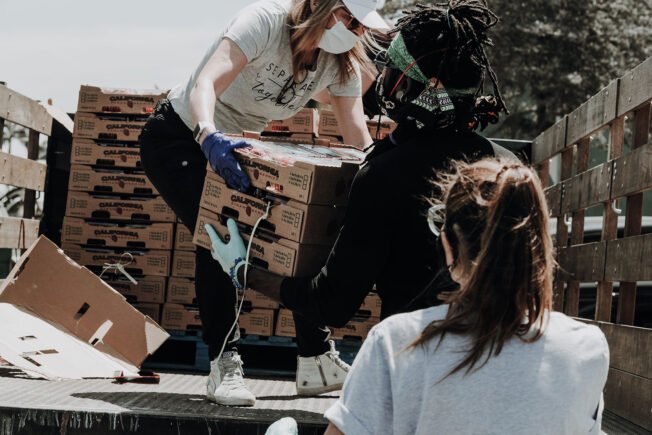
In the wake of emergencies, formal rescue services often take time to mobilize. During these critical windows, it is the immediate, grassroots network of neighbors helping neighbors that saves lives. People clear debris, share food, open their homes, and coordinate relief efforts organically. This spontaneous solidarity is a direct manifestation of strong community bonds.
Beyond acute crises, sustained community relationships are the driving force behind systemic social change. Civil rights movements, environmental justice campaigns, and labor reforms have all historically relied on organized, interconnected communities demanding equity and justice. When individuals unite under a shared vision, their collective voice becomes impossible to ignore. They can successfully lobby local governments, hold corporations accountable, and reshape policies to better serve the public good.
Cultivating Community in a Fast-Paced World
Building and maintaining strong community relationships does not happen by accident. It requires intentional effort, empathy, and active participation. In an era dominated by digital screens and individualistic pursuits, reclaiming our connection to the physical and social spaces around us is a radical and necessary act.
Individuals can start small by simply getting to know their neighbors, supporting local civic initiatives, volunteering time at community centers, or participating in neighborhood meetings. Cultivating curiosity about the lives and struggles of those around us breaks down prejudices and builds bridges of understanding.
Ultimately, the positive social impact created by strong community relationships is transformative. It turns strangers into neighbors, neighborhoods into safe havens, and collective challenges into opportunities for growth. By investing in our relationships with one another, we lay the groundwork for a more compassionate, resilient, and thriving society for generations to come.