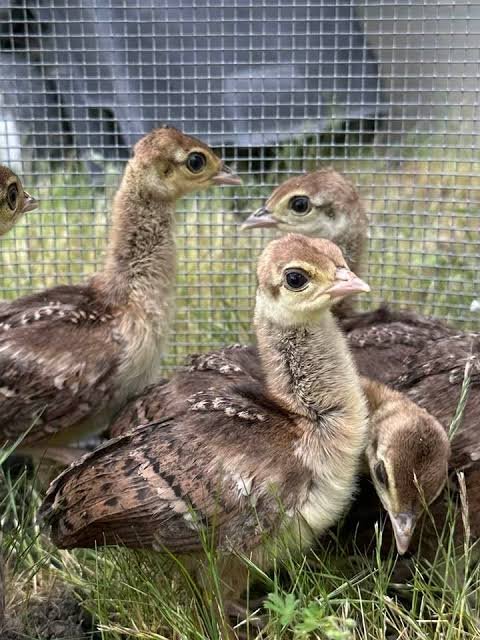
Raising baby peacocks, also known as peachicks, can be a rewarding experience for anyone interested in ornamental birds and poultry care. These young birds are curious, active, and require special attention baby peacocks for sale during their early stages of development. Providing a safe and comfortable environment helps them grow properly, develop healthy habits, and adapt to their surroundings. Before bringing peachicks home, it is important to prepare suitable housing, maintain the right temperature, provide clean water and nutritious food, and protect them from potential dangers.
Whether you are raising a few peachicks in your backyard or caring for them as part of a larger bird-keeping setup, careful preparation can make a significant difference. Understanding their basic needs will help you create an environment where they can thrive.
Understanding the Needs of Baby Peacocks
Baby peacocks are more delicate than adult birds and require consistent care during their first weeks of life. Their bodies are still developing, their feathers provide limited protection against temperature changes, and they can become stressed by sudden environmental changes.
Peachicks need warmth, fresh air, clean bedding, suitable food, and enough space to move around safely. They also need protection from predators, excessive noise, damp conditions, and rough handling. A well-prepared environment should balance comfort with proper ventilation and hygiene.
Before preparing their enclosure, consider how many peachicks you intend to raise, their approximate age, and whether they will be kept with other birds. These factors influence the amount of space, heating, and supervision required.
Choosing a Suitable Brooder or Enclosure
The first step in preparing a safe environment is selecting appropriate housing. During their early development, peachicks benefit from a secure brooder or sheltered enclosure that protects them from cold weather, drafts, and predators.
A brooder should have enough room for every bird to walk, rest, eat, and drink without crowding. Overcrowding can increase stress, encourage aggressive behavior, and make it difficult to maintain clean conditions.
Choose a structure with sturdy walls and a secure floor. Avoid openings large enough for young birds to escape through or become trapped in. The enclosure should also have a roof or protective cover to prevent predators from entering.
As the peachicks grow, they will need more room to exercise and explore. Plan to move them into a larger, secure enclosure when appropriate, rather than allowing them to remain in a small brooder for too long.
Maintaining the Correct Temperature
Temperature management is one of the most important aspects of caring for baby peacocks. Young birds cannot regulate their body temperature as effectively as mature birds, making them vulnerable to chilling and overheating.
Newly hatched peachicks generally require a warm brooder, with the temperature gradually reduced as they develop and grow feathers. A starting temperature around 95°F (35°C) is commonly used for very young chicks, followed by a reduction of approximately 5°F (3°C) each week, depending on their behavior and the surrounding conditions.
Use a reliable thermometer to monitor the brooder instead of estimating warmth by touch. Provide a warm area and a cooler area so the birds can move away from the heat when necessary.
Observe their behavior carefully. Peachicks gathering tightly beneath the heat source may be too cold, while birds staying far away from it and appearing uncomfortable may be too warm. Comfortable birds generally move around normally and rest without excessive crowding.
Ensure that heating equipment is securely installed, protected from contact with water, and positioned to reduce fire risks. Avoid sudden temperature changes, especially during cold nights.
Providing Clean and Comfortable Bedding
Bedding helps keep peachicks comfortable and provides a surface for walking and resting. However, unsuitable flooring can contribute to slipping, leg problems, dampness, and poor hygiene.
Use clean, dry, absorbent bedding that provides good traction. Appropriate options may include suitable pine shavings or other poultry-safe bedding materials. Avoid slippery newspaper, dusty materials, moldy bedding, and fine particles that young birds might accidentally swallow.
Check the bedding every day and remove wet or heavily soiled areas. Replace it regularly to prevent unpleasant odors and the buildup of harmful microorganisms.
The brooder floor should remain dry, particularly around water containers. Damp bedding can chill young birds and create conditions that encourage disease.
Provide a comfortable resting area where peachicks can settle without being disturbed. Keep the floor free of sharp objects, loose threads, and other materials that could injure their feet.
Ensuring Proper Ventilation
Fresh air is essential for maintaining a healthy environment. Poor ventilation allows moisture, dust, and waste-related gases to accumulate, which can affect the respiratory health of young birds.
A brooder should have sufficient airflow without exposing peachicks directly to cold drafts. Ventilation openings can help circulate fresh air, but they should be positioned and secured carefully.
Avoid placing the enclosure in a completely sealed room. At the same time, do not position it directly beside an open window where strong winds or sudden weather changes could affect the birds.
Regularly inspect the enclosure for condensation, persistent dampness, and strong odors. These signs may indicate that ventilation or cleaning practices need improvement.
Good ventilation, combined with clean bedding and appropriate temperature control, creates a healthier environment for developing peachicks.
Protecting Peachicks From Predators
Predator protection is essential, even when the birds are kept inside a backyard or farm building. Cats, dogs, rats, snakes, and wild predators may threaten young peafowl if the enclosure is not secure.
Use strong, appropriately sized mesh to prevent predators from entering and peachicks from escaping. Inspect doors, corners, ventilation openings, and gaps around the floor regularly.
Keep food in secure containers because spilled feed can attract rodents. Remove leftover food and maintain a clean area around the enclosure.
Never assume that a fenced yard alone is sufficient protection. Young birds may be vulnerable to predators that can climb, dig, or squeeze through small openings.
If peachicks are allowed outside as they grow, provide a supervised and securely enclosed area. Introduce outdoor access gradually, taking weather conditions and their development into account.
Providing Safe Food and Fresh Water
Proper nutrition supports growth, feather development, and overall health. Peachicks need a balanced starter feed formulated for suitable young gamebirds or poultry, selected with advice from an avian veterinarian or experienced peafowl breeder.
Avoid relying on kitchen scraps, bread, or ordinary grain alone. These foods do not provide the balanced nutrients required by growing birds.
Fresh, clean water should always be available. Use shallow, stable drinkers designed for small birds so peachicks can drink without easily falling into the container.
Position waterers on a stable surface and check them frequently for spilled water, droppings, and bedding contamination. Clean and refill them regularly.
Feeders should be easy to reach without creating crowding. Monitor feed consumption and check that smaller birds can access food without being pushed away by stronger individuals.
Maintaining Hygiene and Preventing Disease
Cleanliness plays a major role in keeping baby peacocks healthy. Their developing immune systems make good sanitation especially important.
Wash food and water containers regularly, remove waste, and replace dirty bedding. Clean the enclosure thoroughly between groups of birds when possible, allowing surfaces to dry before introducing new peachicks.
Avoid bringing new birds directly into an established group without an appropriate quarantine period. Newly acquired birds may carry infections even when they appear healthy. Ask an avian veterinarian about suitable quarantine procedures and preventive care.
Watch for changes in appetite, unusual droppings, weakness, breathing difficulties, or a lack of normal activity. These signs can indicate illness and should not be ignored. Seek veterinary advice promptly if a peachick appears unwell.
Keeping a simple daily record of feeding, behavior, and general condition can help you recognize changes before they become more serious.
Reducing Stress and Encouraging Healthy Development
Baby peacocks benefit from a calm environment. Excessive handling, loud noises, sudden movements, and frequent changes to their enclosure may cause unnecessary stress.
Place the brooder in a quiet location where the birds can be observed without constant disturbance. Handle peachicks gently and only when necessary, supporting their bodies securely without squeezing them.
Avoid mixing birds of very different sizes or ages unless their compatibility and safety can be managed appropriately. Competition for food, water, and resting areas may become a problem when groups are poorly matched.
Provide enough room for natural movement and age-appropriate exploration. As the birds mature, their enclosure should offer additional space and suitable shelter while remaining protected from weather and predators.
Preparing for Changing Weather Conditions
Weather protection should be part of the enclosure design from the beginning. Cold temperatures, rain, strong winds, and extreme heat can all create challenges for young peafowl.
Keep the brooder sheltered from rain and drafts, and ensure that heating equipment can operate safely when temperatures drop. During hot weather, provide shade, adequate ventilation, and continuous access to fresh water.
Avoid exposing young peachicks to outdoor conditions before they are sufficiently developed and able to cope with them. The appropriate timing depends on their age, feather development, health, and local climate.
Check the enclosure throughout the day when weather conditions are extreme. A space that feels comfortable in the morning may become too hot or cold later.
Conclusion
Preparing a safe environment for baby peacocks requires attention to housing, temperature, bedding, ventilation, nutrition, hygiene, and predator protection. These young birds depend on their caretakers to provide stable conditions while they develop and become more independent.
Start with a secure brooder, maintain suitable warmth, supply clean food and water, and inspect the enclosure every day. Observe the peachicks closely so you can recognize signs of discomfort or illness and respond promptly.
With careful preparation, consistent monitoring, and responsible care, you can establish a healthy foundation for raising baby peacocks. A clean, secure, and comfortable environment supports their development and helps them grow into strong, healthy adult birds.