In the world of modern manufacturing, efficiency, precision, and consistency are essential. One technology that has gained significant attention among manufacturers is the pultrusion machine. This equipment revolutionizes the production of composite materials, offering remarkable advantages for industries such as construction, automotive, aerospace, and renewable energy. Understanding the pultrusion machine, its operation, and its applications can help manufacturers optimize production and maintain high-quality output.
What is a Pultrusion Machine?
A pultrusion machine is a specialized piece of equipment designed to produce continuous lengths of composite materials with a constant cross-section. Unlike traditional manufacturing methods that shape materials through molding or extrusion, pultrusion involves pulling raw fibers through a resin bath and then through a heated die. The process ensures that the fibers are thoroughly impregnated with resin and cured into a rigid, durable shape. The result is a strong, lightweight, and corrosion-resistant component ideal for a wide range of applications.
The term “pultrusion” is derived from the combination of “pull” and “extrusion,” reflecting the core principle of the process. Unlike extrusion, where material is pushed through a die, pultrusion involves pulling fibers through the die, ensuring uniformity and high mechanical performance.
Components of a Pultrusion Machine
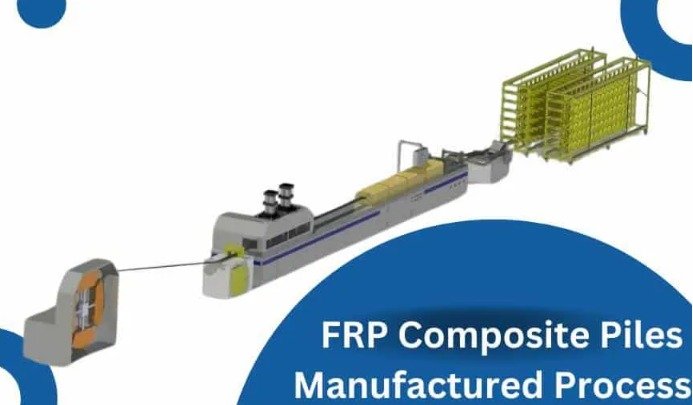
A pultrusion machine may seem complex at first glance, but understanding its core components simplifies the process. Key elements include:
- Creel System: The creel holds spools of continuous fibers, typically glass, carbon, or aramid. These fibers are the primary reinforcement in composite materials. The creel system ensures smooth feeding of fibers into the resin bath.
- Resin Impregnation System: Also called a resin bath or die, this section immerses fibers in resin, ensuring full saturation. The type of resin used—such as polyester, epoxy, or vinyl ester—depends on the desired properties of the final product.
- Preforming Guides: After resin impregnation, fibers pass through preforming guides that arrange them in the correct alignment and shape before entering the heated die. This ensures consistent geometry and improves mechanical strength.
- Heated Die: The heated die is the heart of the pultrusion machine. It cures the resin while shaping the composite into a constant cross-section. Temperature control is crucial to avoid defects and ensure uniform curing.
- Pulling System: Once the composite exits the die, a pulling system continuously draws the material, maintaining consistent tension and speed. This system ensures that the pultrusion process remains continuous and efficient.
- Cutting and Finishing Section: Finally, the pultruded material is cut to the required lengths and may undergo additional finishing processes, such as sanding or coating, depending on the application.
How the Pultrusion Process Works
The pultrusion process is highly automated, allowing manufacturers to produce consistent and high-quality components efficiently. The steps are as follows:
- Fiber Selection and Preparation: Continuous fibers are chosen based on mechanical requirements. The fibers are aligned on the creel system to ensure uniform feeding.
- Resin Impregnation: Fibers pass through the resin bath, ensuring complete impregnation. Additives may be included in the resin to enhance properties like UV resistance, flame retardancy, or flexibility.
- Preforming: Fibers are guided into the desired shape using preforming tools. This step is crucial for maintaining a consistent cross-section and improving the strength of the finished product.
- Curing in Heated Die: The impregnated fibers enter the heated die, where heat and pressure cure the resin. The die ensures that the composite maintains the desired shape and achieves its mechanical properties.
- Pulling and Cutting: The pultruded profile is pulled continuously through the die, maintaining tension and speed. It is then cut into standard or custom lengths, ready for use or further processing.
Advantages of Using a Pultrusion Machine
Manufacturers adopting pultrusion technology can enjoy several benefits that make this process ideal for producing high-performance composite materials:
- High Strength-to-Weight Ratio: Pultruded composites are lightweight yet strong, making them suitable for applications where reducing weight without compromising strength is critical.
- Corrosion Resistance: Unlike metals, pultruded composites resist corrosion from chemicals, moisture, and environmental exposure, extending the lifespan of components.
- Design Flexibility: Pultrusion allows the creation of complex shapes and profiles with consistent dimensions, giving manufacturers flexibility in design.
- Cost Efficiency: Continuous production reduces labor costs and material waste. The automated process ensures that products are consistent and require minimal post-processing.
- Thermal and Electrical Insulation: Many pultruded materials provide excellent insulation properties, making them ideal for electrical, construction, and industrial applications.
Applications of Pultrusion Machines
The versatility of the pultrusion machine extends across numerous industries. Some common applications include:
- Construction: Pultruded composites are used for structural components, window frames, ladder rails, and reinforcement bars due to their durability and corrosion resistance.
- Automotive and Transportation: Lightweight yet strong pultruded components help reduce vehicle weight, improving fuel efficiency and performance.
- Aerospace: Pultrusion produces components that can withstand extreme conditions while maintaining minimal weight, essential for aerospace applications.
- Renewable Energy: Wind turbine blades, solar panel supports, and other renewable energy components benefit from the strength, durability, and corrosion resistance of pultruded composites.
- Electrical and Utility: Pultruded profiles are often used for cable trays, insulating structures, and poles due to their excellent dielectric properties.
Choosing the Right Pultrusion Machine
Selecting the appropriate pultrusion machine depends on factors such as the type of composite material, production volume, and profile complexity. Manufacturers should consider:
- Machine Capacity: Evaluate the maximum width, thickness, and length the machine can handle to match production needs.
- Automation Level: Highly automated machines reduce labor costs and improve consistency, especially for high-volume production.
- Die Configuration: The design and material of the die influence product quality and lifespan. Choosing a die that suits the intended profile and resin system is essential.
- Maintenance and Support: A reliable pultrusion machine should be easy to maintain, with accessible components and strong manufacturer support to minimize downtime.
Future Trends in Pultrusion Technology
As industries increasingly demand lightweight, durable, and corrosion-resistant materials, the pultrusion machine continues to evolve. Future trends include:
- Advanced Materials: Integration of hybrid fibers, nanomaterials, and high-performance resins to improve strength and functionality.
- Automation and Smart Manufacturing: Sensors, AI, and IoT technology are being incorporated to monitor real-time quality and optimize production efficiency.
- Sustainability: Eco-friendly resins and recycling initiatives are gaining attention as manufacturers seek greener production methods.
- Customized Profiles: Improved software and die technology enable the production of highly complex and tailored pultruded components.
Conclusion
The pultrusion machine is a powerful and versatile tool for manufacturers seeking to produce high-quality composite materials efficiently. Its ability to deliver consistent, strong, and corrosion-resistant components makes it invaluable across a wide range of industries. Understanding its operation, advantages, and applications empowers manufacturers to make informed decisions, optimize production, and stay ahead in a competitive market. As technology advances, pultrusion will continue to play a pivotal role in shaping the future of modern manufacturing.