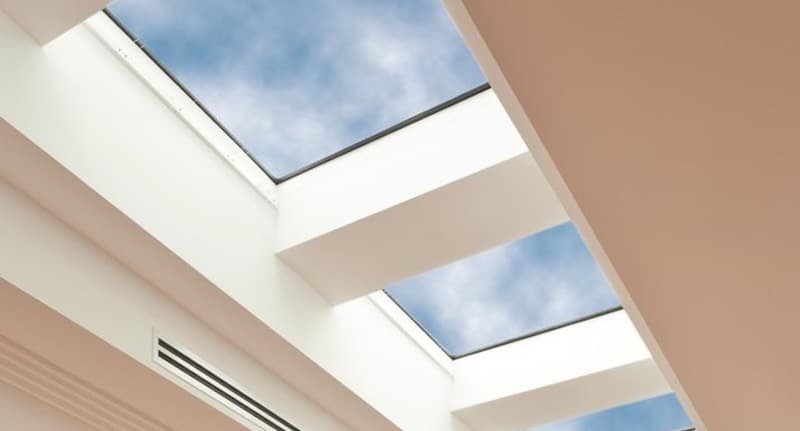
Installing a flat roof skylight can transform your home, bringing in natural light, enhancing ventilation, and improving the overall aesthetic. Unlike traditional pitched roof skylights, flat roof skylights are specifically designed for homes with level roofing, making them an excellent choice for modern architecture. However, choosing the right flat roof skylight requires careful consideration of several factors, including style, materials, size, and functionality. This guide will help you make an informed decision for your home while also considering roof windows as complementary options.
Benefits of Installing a Flat Roof Skylight
Flat roof skylights offer numerous advantages for homeowners. The most immediate benefit is the increase in natural light. A well-placed skylight can brighten up dark rooms, reduce reliance on artificial lighting, and create a sense of openness. Natural light has also been shown to improve mood and productivity, making flat roof skylights a valuable addition to living areas, kitchens, and even home offices.
In addition to light, flat roof skylights can contribute to energy efficiency. Modern skylights are designed with insulated glazing and energy-efficient materials that help maintain indoor temperatures. This can reduce heating and cooling costs over time. Paired with strategically placed roof windows, these skylights can also improve airflow, further enhancing the comfort of your home.
Finally, a flat roof skylight can elevate the visual appeal of your home. Sleek, contemporary designs blend seamlessly with flat roofing, adding a stylish touch while also increasing property value.
Types of Flat Roof Skylights
Choosing the right type of flat roof skylight depends on your needs and the design of your home. Common types include fixed, ventilated, and modular skylights.
Fixed skylights are designed purely for light and do not open. They are ideal for areas where ventilation is not required but maximum daylight is desired. Ventilated skylights can be opened manually or electronically to allow fresh air into the home. This is particularly useful in kitchens, bathrooms, or areas prone to humidity. Modular skylights can be customized in size and configuration, making them suitable for larger rooms or unique architectural designs.
Considering roof windows alongside flat roof skylights can further enhance your home’s lighting and airflow. Roof windows are typically installed on sloped surfaces but can be integrated with flat roof skylight systems in some designs to maximize natural light and ventilation throughout your home.
Materials and Glazing Options
The materials used in your flat roof skylight play a significant role in its performance and durability. Most skylights feature either acrylic, polycarbonate, or glass glazing. Acrylic is lightweight and affordable, making it a common choice for smaller skylights. Polycarbonate offers higher impact resistance, making it suitable for areas exposed to heavy weather or debris. Glass skylights, particularly laminated or tempered glass, provide the best clarity and long-term durability, though they are more expensive.
Double or triple glazing is recommended for energy efficiency, as these options provide better insulation and reduce heat transfer. Some flat roof skylights also come with low-emissivity coatings to further improve thermal performance.
The frame material is another important consideration. Aluminum frames are strong, low-maintenance, and lightweight, while uPVC frames offer excellent insulation and resistance to corrosion. Wood frames can provide a classic aesthetic but require more maintenance to prevent rot or weather damage.
Size and Placement Considerations
Determining the correct size of your flat roof skylight is crucial to achieving the desired lighting effect. Too small, and it may not provide sufficient daylight; too large, and it can overwhelm the space or create unwanted heat gain. A common guideline is that skylights should cover 5% to 15% of the room’s floor area, depending on the amount of natural light needed.
Placement is equally important. Skylights should be positioned where they can maximize light without causing glare or excessive heat. For instance, in living areas or kitchens, a skylight over a central area can brighten the entire space. Consider the path of the sun, local weather patterns, and any nearby obstructions when deciding on placement. Pairing skylights with roof windows in adjacent areas can create a balanced distribution of natural light and airflow.
Installation and Safety
Professional installation is essential to ensure your flat roof skylight performs correctly and remains leak-free. Improper installation can lead to water infiltration, drafts, and reduced energy efficiency. It is also critical to consider safety features such as laminated glass or impact-resistant materials, especially in areas prone to storms or heavy snowfall.
Some skylights include built-in blinds, shades, or external covers to help control heat and glare. Automated options can be programmed to open or close based on sunlight, temperature, or weather conditions, offering convenience and energy savings.
Maintenance Tips
Flat roof skylights are relatively low-maintenance but still require periodic care to extend their lifespan. Regularly clean the glass or acrylic surface to remove dirt, debris, and leaves. Check the seals and flashing to prevent leaks, and inspect the frame for signs of wear or damage. Ventilated skylights should have their mechanisms checked occasionally to ensure smooth operation.
Roof windows also require similar maintenance, especially if integrated with skylight systems. Proper upkeep ensures both types of installations continue to provide light, ventilation, and energy efficiency over the years.
Energy Efficiency and Sustainability
When choosing a flat roof skylight, energy efficiency should be a top priority. Look for options with high-performance glazing, thermal breaks in the frame, and low-emissivity coatings. These features minimize heat loss in winter and reduce heat gain in summer, keeping your home comfortable while lowering energy bills.
Incorporating skylights with roof windows can further improve natural ventilation, reducing reliance on air conditioning and promoting sustainable living. Additionally, some skylights are compatible with solar-powered blinds or automated systems, which can further enhance energy efficiency and reduce your home’s carbon footprint.
Style and Aesthetic Considerations
Flat roof skylights come in a variety of styles to complement different home designs. Some feature sleek, minimalist frames that blend into modern architecture, while others have more pronounced profiles for a statement look. Consider the interior and exterior aesthetics when selecting a skylight, and think about how roof windows can complement the overall design.
For homeowners looking to make a dramatic design impact, multiple skylights or a combination of skylights and roof windows can create a dynamic lighting scheme that enhances both daytime and evening ambiance.
Cost Considerations
The cost of flat roof skylights varies depending on size, material, glazing, and installation complexity. Basic fixed skylights are typically more affordable, while ventilated or custom modular skylights are more expensive. Professional installation is an additional cost but is essential for long-term performance.
When planning your budget, factor in energy savings and increased property value. A well-chosen flat roof skylight not only enhances your home aesthetically but also provides long-term financial benefits.
Conclusion
Choosing the right flat roof skylight for your home involves balancing functionality, style, and energy efficiency. By considering types, materials, size, placement, and maintenance, you can select a skylight that brings light, ventilation, and beauty to your space. Integrating roof windows where appropriate can further enhance your home’s lighting and airflow, creating a comfortable and sustainable environment. With thoughtful planning and professional installation, a flat roof skylight is a valuable investment that transforms your home for years to come.
A well-chosen flat roof skylight not only brightens your home but also adds elegance, improves energy efficiency, and increases property value. By understanding your options and considering both skylights and roof windows, you can make an informed decision that perfectly suits your home and lifestyle.