Floods can be devastating, leaving homes and businesses in disarray. When water damage strikes, the immediate question many homeowners face is whether to handle the cleanup themselves or hire professionals. Understanding the nuances of flood damage cleanup is essential for protecting property, ensuring safety, and minimizing long-term damage.
Understanding Flood Damage
Flood damage is more than just wet carpets and soaked furniture. It often includes structural issues, electrical hazards, mold growth, and contamination from sewage or chemicals. The longer water sits, the more severe the damage becomes. Swift action is critical, and the approach you take can significantly affect recovery costs and outcomes.
DIY flood damage cleanup might seem appealing due to cost savings. With some tools, protective gear, and elbow grease, homeowners might feel capable of restoring their spaces. However, DIY efforts often come with risks and limitations. On the other hand, professional flood damage cleanup services offer expertise, equipment, and experience to handle both immediate damage and prevent long-term issues.
Pros and Cons of DIY Flood Damage Cleanup
Pros of DIY Cleanup
One of the most obvious advantages of tackling flood damage yourself is cost. Hiring professionals can be expensive, especially for severe flooding. By using DIY methods, you may save money on labor costs.
DIY cleanup also allows you to work at your own pace. You can prioritize areas that matter most to you and address items of personal importance. Some homeowners enjoy the sense of control and satisfaction that comes from restoring their own space.
Cons of DIY Cleanup
Despite these benefits, DIY flood damage cleanup has several significant drawbacks. First, safety is a major concern. Floodwaters can contain harmful bacteria, sewage, or chemical contaminants. Exposure without proper protective gear can lead to illness or injury. Electrical hazards are another serious risk, especially in areas where water has reached outlets, appliances, or wiring.
Additionally, without specialized equipment, it can be difficult to remove all moisture from walls, floors, and furniture. Incomplete drying often leads to mold growth, which can be costly to remediate and pose health risks. Homeowners also may not recognize hidden structural damage, such as weakened foundations, which can worsen over time.
Advantages of Professional Flood Damage Cleanup
Professional flood damage cleanup companies have the training and tools necessary to restore your property efficiently and safely. These services typically include water extraction, thorough drying, mold prevention, and debris removal. Experts can also assess structural damage and advise on necessary repairs.
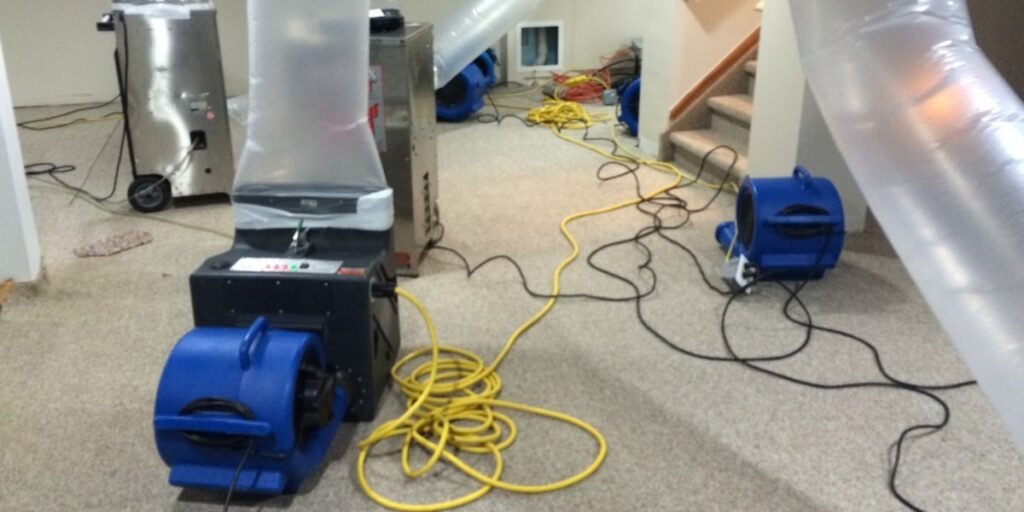
Professionals use industrial-grade equipment, including pumps, dehumidifiers, and moisture meters, to ensure that even hidden areas are properly dried. Their knowledge of flood damage cleanup protocols reduces the risk of future problems and can often speed up the restoration process, allowing homeowners to return to normal life faster.
Insurance claims are another area where professionals can be beneficial. Many insurance companies prefer or require documentation from licensed cleanup services. Hiring a professional can make the claims process smoother and more likely to cover the full extent of the damage.
When DIY Cleanup Might Be Appropriate
DIY flood damage cleanup is generally best suited for minor incidents. Small leaks, brief flooding, or surface water that hasn’t penetrated walls or furniture might be manageable with household tools. Homeowners should still wear protective gear, remove valuables, and ensure proper ventilation. Quick action to dry surfaces, use fans, and clean affected areas can prevent small problems from escalating.
However, if water levels are high, contamination is suspected, or structural damage exists, professional help is strongly recommended. The risks associated with inadequate cleanup can be far costlier than the expense of hiring experts.
Safety Tips for DIY Flood Damage Cleanup
If you choose to handle flood damage yourself, follow these safety precautions:
- Wear protective clothing, including gloves, boots, and masks.
- Turn off electricity to affected areas to prevent electrocution.
- Avoid wading through water that may be contaminated.
- Remove wet materials and furniture carefully to avoid injury.
- Ventilate the space and use fans or dehumidifiers to speed drying.
- Disinfect all surfaces thoroughly to prevent mold and bacteria growth.
Even with these precautions, some hidden dangers may remain. For this reason, homeowners should closely monitor for signs of mold or structural issues after DIY cleanup.
Making the Decision
Choosing between DIY and professional flood damage cleanup depends on several factors: the severity of the flooding, the potential for contamination, your personal experience, and available equipment. Minor, short-duration water events might be manageable on your own. In contrast, large-scale floods, prolonged exposure, or high-risk situations usually require professional intervention.
Consider the long-term costs as well. Incomplete or improper cleanup can lead to mold growth, structural damage, and health hazards, ultimately costing more than professional services. Investing in expertise upfront often prevents more serious problems down the line.
Conclusion
Flood damage cleanup is a critical task that requires careful planning and consideration. While DIY efforts can be effective for minor incidents, professional flood damage cleanup services provide safety, efficiency, and peace of mind for more severe situations. Evaluating the scope of the damage, assessing risks, and understanding the limitations of DIY methods are key steps in deciding the best approach.
By weighing the pros and cons, homeowners can make informed decisions that protect their property, health, and finances. Whether you roll up your sleeves or call in experts, prompt action and thorough cleanup are essential to recovering from flood damage and restoring your home to a safe, livable condition.