Artificial intelligence is no longer a futuristic concept reserved for tech giants. Today, organizations of all sizes are exploring AI to automate operations, personalize customer experiences, optimize decision-making, and gain competitive advantages. Yet, despite heavy investments in AI tools and platforms, many initiatives fail to deliver meaningful results. The reason is rarely the algorithms themselves—it is the data behind them. This is where an AI data readiness assessment becomes essential. Before launching AI-driven transformation, organizations must ask a critical question: are we truly ready, from a data perspective, to succeed?
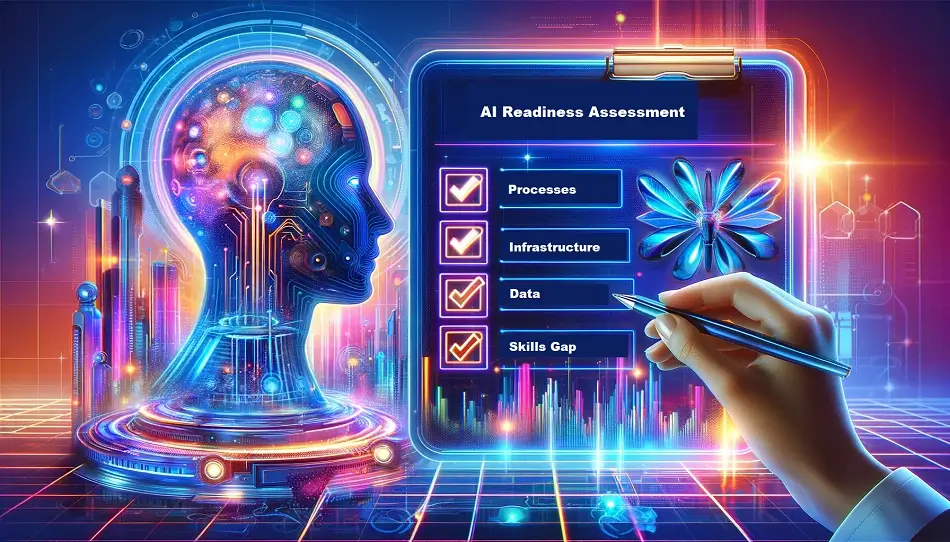
An AI data readiness assessment is a structured evaluation of how prepared an organization’s data assets, infrastructure, governance, and culture are to support AI initiatives. It goes beyond technical checklists to examine whether data is accessible, accurate, secure, well-managed, and aligned with business goals. In this article, we explore why AI data readiness matters, what it involves, and how organizations can use it as a foundation for intelligent transformation.
Understanding the Concept of AI Data Readiness
AI systems learn from data. Their accuracy, fairness, and usefulness depend entirely on the quality and relevance of the information they process. AI data readiness refers to the overall state of an organization’s data environment and its ability to support AI development and deployment. It includes both technical factors, such as data quality and infrastructure, and organizational factors, such as governance, skills, and leadership alignment.
An AI data readiness assessment provides a clear, evidence-based picture of where an organization currently stands. Instead of relying on assumptions or isolated metrics, it evaluates data across multiple dimensions, identifying strengths, gaps, and risks. The goal is not merely to score readiness, but to create a roadmap for improvement that links data maturity with strategic AI objectives.
Why an AI Data Readiness Assessment Is Critical
Many organizations rush into AI projects with high expectations, only to encounter obstacles that slow progress or derail outcomes. Common issues include fragmented data systems, inconsistent data standards, limited access to reliable datasets, and unclear ownership of data assets. Without addressing these foundational challenges, even the most advanced AI models struggle to perform effectively.
An AI data readiness assessment helps organizations avoid these pitfalls by:
Aligning AI ambitions with data reality
It ensures that business leaders have a realistic understanding of what is possible with current data resources, preventing overpromising and underdelivering.
Reducing implementation risks
By identifying data quality issues, security vulnerabilities, and compliance gaps early, organizations can mitigate risks before they become costly problems.
Optimizing investment decisions
Instead of spending heavily on tools or consultants without a clear plan, leaders can prioritize investments that directly improve readiness, such as data integration platforms or governance frameworks.
Accelerating time to value
When data foundations are strong, AI projects move faster from concept to deployment, delivering tangible benefits sooner.
Core Dimensions of an AI Data Readiness Assessment
A comprehensive AI data readiness assessment typically evaluates several interconnected dimensions. Each plays a critical role in determining whether an organization is equipped for intelligent transformation.
Data Quality and Availability
High-quality data is the backbone of any successful AI initiative. This dimension examines whether data is accurate, complete, consistent, timely, and relevant to intended use cases. It also evaluates how easily data can be accessed and shared across departments.
Organizations often discover that their data exists in silos, with different teams maintaining separate versions of similar datasets. An effective assessment identifies these inconsistencies and highlights opportunities for standardization and integration.
Data Infrastructure and Architecture
AI workloads require scalable, reliable, and flexible infrastructure. This dimension looks at whether current systems can handle large volumes of data, support real-time processing, and integrate with modern AI tools.
It also assesses the maturity of data pipelines, storage solutions, and cloud capabilities. Outdated or fragmented infrastructure can significantly limit the scope and performance of AI applications.
Data Governance and Compliance
Trust in AI depends on trust in data. Governance ensures that data is managed responsibly, securely, and ethically. This dimension evaluates policies, processes, and roles related to data ownership, access control, privacy, and regulatory compliance.
A strong governance framework not only protects sensitive information but also builds confidence among stakeholders that AI initiatives align with legal and ethical standards.
Analytics and AI Capabilities
This dimension focuses on the organization’s technical and analytical skills. It examines whether teams have the expertise to prepare data, build models, interpret results, and maintain AI systems over time.
It also assesses the maturity of existing analytics practices, such as business intelligence and machine learning experimentation. Organizations with a strong analytics culture are better positioned to scale AI successfully.
Organizational Culture and Leadership Alignment
Technology alone cannot drive transformation. This dimension evaluates whether leadership supports data-driven decision-making and whether employees are encouraged to use data in their daily work.
It also considers change management readiness, cross-functional collaboration, and the organization’s willingness to invest in training and continuous improvement. A culture that values data as a strategic asset is essential for long-term AI success.
How to Conduct an Effective AI Data Readiness Assessment
While the specific approach may vary by organization, a structured process typically includes the following steps.
Define Strategic AI Objectives
Before assessing readiness, leaders must clarify why they want to use AI and what outcomes they hope to achieve. Objectives might include improving customer service, reducing operational costs, enhancing fraud detection, or personalizing marketing campaigns.
Clear goals ensure that the assessment focuses on data assets and capabilities that are most relevant to strategic priorities.
Inventory Data Assets and Systems
The next step is to identify all major data sources, including internal systems, third-party providers, and emerging data streams such as IoT devices. This inventory should document data types, formats, owners, and current usage.
Mapping data flows across the organization helps uncover redundancies, bottlenecks, and gaps that could hinder AI initiatives.
Evaluate Readiness Across Key Dimensions
Using a standardized framework, assess each readiness dimension in a consistent and objective way. This may involve surveys, interviews, technical audits, and data quality profiling.
The result is a detailed readiness profile that highlights strengths, weaknesses, and interdependencies across the data ecosystem.
Prioritize Gaps and Develop a Roadmap
Not all gaps need to be addressed at once. Based on strategic goals and resource constraints, organizations should prioritize the most critical issues and define a phased improvement plan.
This roadmap should include specific initiatives, timelines, responsibilities, and success metrics, ensuring accountability and progress tracking.
Monitor Progress and Reassess Regularly
AI data readiness is not a one-time exercise. As technologies evolve, regulations change, and business needs shift, organizations must continuously reassess and refine their data foundations.
Regular updates to the readiness assessment help ensure that AI initiatives remain aligned with both technical capabilities and strategic objectives.
Benefits of a Strong AI Data Readiness Foundation
Organizations that invest in an AI data readiness assessment and act on its findings gain several long-term advantages.
They achieve higher AI success rates, as models are trained on reliable and well-governed data. They improve operational efficiency by reducing data duplication and manual processes. They enhance regulatory compliance and security posture through clearer governance frameworks. They also foster a culture of innovation, where employees trust and actively use data to drive better decisions.
Perhaps most importantly, they position themselves for sustainable intelligent transformation, rather than short-lived experimentation.
Conclusion: Preparing for Intelligent Transformation
AI has the potential to redefine how organizations operate, compete, and create value. However, this potential can only be realized when data foundations are strong. An AI data readiness assessment provides a practical, structured way to evaluate whether an organization is truly prepared for this journey.
By examining data quality, infrastructure, governance, capabilities, and culture, leaders gain a holistic view of readiness and a clear path forward. Instead of treating AI as a standalone technology project, they can approach it as a strategic transformation grounded in reliable, well-managed data.