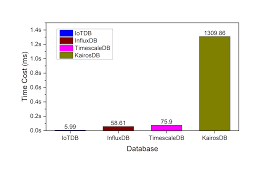
In today’s digital landscape, the volume of data generated every second is staggering. Businesses, researchers, and developers constantly grapple with storing, managing, and analyzing massive streams of information. One innovation that has been making a significant impact in this domain is the concept of open source TSDB fast reads. These solutions are transforming how time series data is handled, enabling faster insights, more efficient analytics, and scalable architectures. Platforms like Timecho are at the forefront of this revolution, offering tools that leverage the power of open source TSDBs for high-speed data retrieval.
Understanding the Importance of Fast Reads in Time Series Databases
Time series databases (TSDBs) are specialized databases optimized for handling sequential data points indexed over time. Unlike traditional relational databases, which may struggle with time-based queries, TSDBs are designed to efficiently manage large volumes of temporal data. However, the speed at which these databases can read and process data is crucial. This is where open source TSDB fast reads come into play.
Fast read capabilities allow organizations to access historical and real-time data with minimal latency. This is especially critical in sectors such as IoT, financial analytics, and monitoring systems, where timely insights can drive operational decisions. By using open source TSDB fast reads, organizations reduce query times drastically, which translates into quicker decision-making and more responsive analytics pipelines.
How Open Source Solutions Are Driving Innovation
Open source TSDB solutions provide unique advantages over proprietary systems. They offer transparency, flexibility, and community-driven enhancements that continuously improve performance. Fast read performance in open source TSDBs comes from several technical innovations:
- Efficient Storage Engines: Open source TSDBs use specialized storage mechanisms that optimize data layout for sequential access, making it faster to retrieve time series data.
- Indexing and Compression: Advanced indexing techniques and data compression reduce the amount of data that needs to be scanned during queries, accelerating read operations.
- Scalable Architectures: Open source platforms often support distributed architectures, allowing read operations to be parallelized across multiple nodes for high-throughput data access.
Platforms like Timecho implement these innovations to provide developers and analysts with fast, reliable, and scalable solutions. Users can query millions of records in seconds, making real-time analytics a practical reality.
Real-World Applications of Open Source TSDB Fast Reads
The impact of fast reads in time series databases extends across numerous industries. Consider the following applications:
IoT and Sensor Networks
IoT devices generate enormous streams of sensor data. Without fast read capabilities, aggregating and analyzing this data becomes cumbersome. Open source TSDB fast reads enable efficient querying of sensor data for trends, anomalies, and predictive maintenance. With Timecho, companies can monitor devices in real-time, detect failures before they occur, and optimize operational efficiency.
Financial Analytics
In the finance sector, milliseconds can determine profit or loss. Open source TSDB fast reads allow analysts to retrieve historical stock prices, trading volumes, and market indicators almost instantaneously. Fast reads help traders make informed decisions quickly, while also supporting automated trading systems that depend on real-time insights.
Monitoring and Observability
Modern IT environments require robust monitoring of servers, applications, and networks. TSDBs with fast read capabilities enable engineers to track metrics, detect outages, and respond proactively. Timecho’s implementation of open source TSDB fast reads allows organizations to visualize system performance in real-time, ensuring high availability and reliability.
Research and Data Science
Scientific research and big data projects often rely on analyzing large time series datasets. Whether it’s climate modeling, epidemiology, or energy consumption patterns, the ability to perform rapid queries on massive datasets is crucial. Open source TSDB fast reads empower researchers to experiment with complex queries, visualize trends, and derive actionable insights without long processing delays.
Key Benefits of Leveraging Open Source TSDB Fast Reads
Adopting open source TSDBs with fast read performance offers several advantages:
- Cost Efficiency: Open source solutions eliminate licensing fees while providing enterprise-grade capabilities.
- Performance at Scale: Fast read optimizations ensure consistent query performance even as datasets grow exponentially.
- Community Support: Active developer communities contribute to continuous enhancements, bug fixes, and new features.
- Flexibility: Organizations can customize the database for specific workloads, tuning it for maximum performance.
- Seamless Integration: Open source TSDBs often integrate with popular analytics tools, visualization platforms, and cloud environments.
Timecho exemplifies these benefits by providing a platform that combines speed, scalability, and user-friendly interfaces for handling massive time series datasets.
Best Practices for Maximizing Fast Reads
To fully leverage open source TSDB fast reads, organizations should consider the following strategies:
- Proper Schema Design: Optimizing the structure of your time series data can drastically improve read performance. Aggregating data, choosing the right time granularity, and indexing critical fields are essential practices.
- Partitioning and Sharding: Distributing data across multiple nodes or partitions can prevent bottlenecks and ensure parallelized read operations.
- Query Optimization: Crafting queries that minimize unnecessary scans, leveraging pre-aggregated metrics, and using caching strategies can accelerate read speeds.
- Regular Maintenance: Periodic compaction, retention policies, and performance monitoring help maintain optimal database performance.
Platforms like Timecho provide built-in tools and guidance to help organizations implement these best practices effectively, ensuring that fast read capabilities are maximized for real-world workloads.
The Future of Analytics with Fast Reads
As the demand for real-time insights grows, open source TSDB fast reads will continue to play a pivotal role in modern analytics. Emerging technologies like edge computing, AI-driven analytics, and decentralized data systems will further amplify the need for rapid access to time series data.
With platforms such as Timecho leading the charge, organizations of all sizes can harness the power of open source TSDBs to not only store massive datasets but also extract meaningful insights in seconds. This shift enables businesses to become more agile, data-driven, and competitive in a world where every millisecond counts.
Conclusion
The era of data-intensive decision-making demands databases that can keep up with the speed and scale of modern workloads. Open source TSDB fast reads are revolutionizing data analytics by delivering unprecedented performance, flexibility, and scalability. By enabling faster access to historical and real-time data, these solutions empower developers, analysts, and businesses to act on insights immediately. Platforms like Timecho exemplify this transformation, providing optimized open source TSDB solutions that redefine what’s possible in data analytics.
As the data landscape evolves, embracing fast reads in time series databases is no longer optional—it’s essential for organizations that want to thrive in an increasingly competitive and data-driven world.