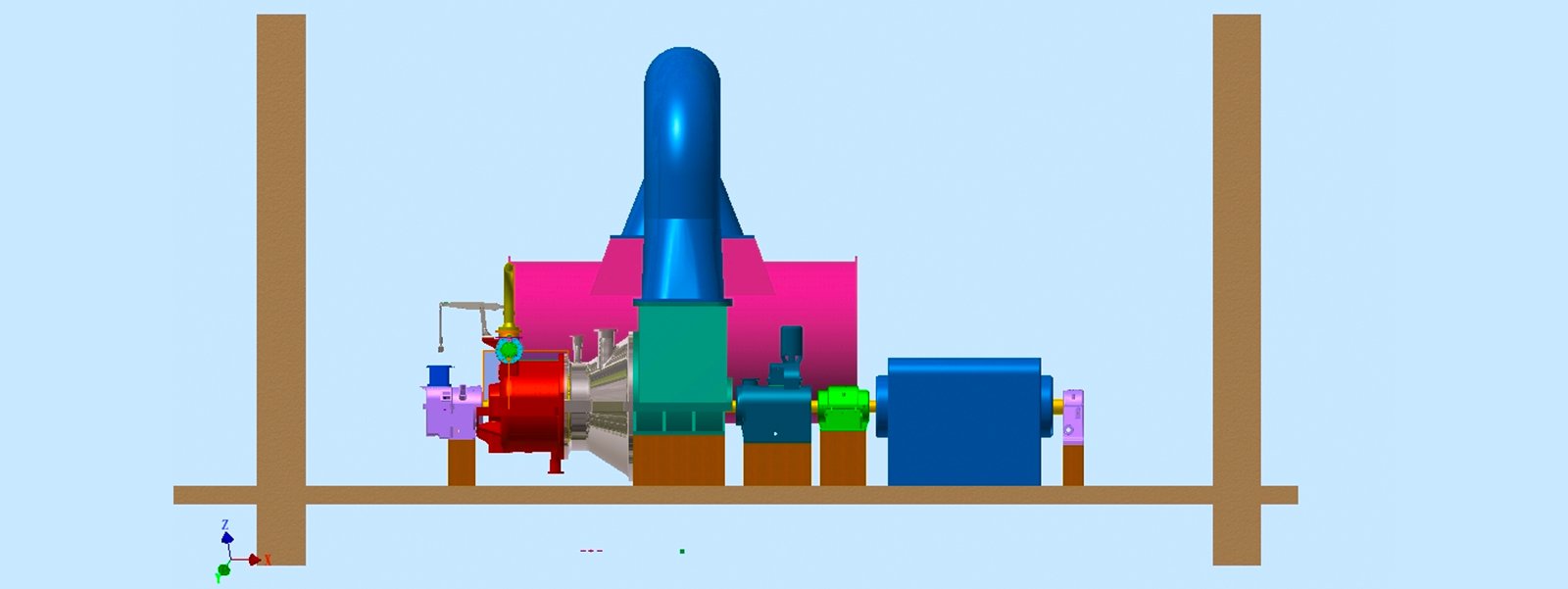
Modern power generation relies heavily on advanced technologies to ensure efficiency, reliability, and sustainability. Among the most critical components in thermal power plants is the steam turbine island, a system that converts thermal energy into mechanical and ultimately electrical energy. Understanding the role of steam turbine islands provides insight into how large-scale electricity production is achieved and optimized.
Understanding Steam Turbine Islands
A steam turbine island refers to the collection of equipment and systems in a power plant that handle the generation of electricity using steam turbines. This includes the turbine itself, generators, condensers, feedwater systems, and associated control mechanisms. The steam turbine island is central to converting heat energy from fuel sources, such as coal, natural gas, or nuclear reactions, into mechanical energy. The mechanical energy is then transformed into electricity via the generator.
Steam turbine islands are engineered to maximize efficiency while maintaining operational stability. By integrating high-performance turbines, advanced heat exchangers, and precise control systems, modern steam turbine islands achieve optimal power output with reduced fuel consumption and lower emissions.
Components of a Steam Turbine Island
The efficiency and reliability of a steam turbine island depend on the coordinated operation of its main components:
- Steam Turbines: The heart of the system, turbines convert high-pressure steam into mechanical rotational energy. Turbines are often designed in stages to extract energy at different pressures efficiently.
- Generators: Coupled directly to the turbines, generators convert mechanical energy into electrical energy. High-efficiency generators ensure minimal energy loss during this conversion.
- Condensers: After passing through the turbine, steam enters the condenser, where it is cooled and converted back into water. This water, known as condensate, is then recirculated to the boiler system.
- Feedwater System: The feedwater pumps and heaters ensure that water returns to the boiler at the correct temperature and pressure. Preheating the feedwater improves the overall efficiency of the steam cycle.
- Auxiliary Systems: This includes lubrication, cooling, and instrumentation systems that support turbine operation and ensure plant safety.
How Steam Turbine Islands Operate
In a modern power plant, the steam turbine island operates as a central hub in the thermodynamic cycle. The process begins with a boiler, which heats water to generate high-pressure steam. This steam enters the turbine at temperatures often exceeding 500°C. As it expands through the turbine blades, it imparts rotational energy to the turbine shaft.
The generator connected to the turbine then converts this rotational energy into electrical energy, which is distributed to the grid. After expansion, the steam is cooled in the condenser and returned to the boiler, completing the cycle. This cycle, known as the Rankine cycle, is fundamental to steam power generation.
Steam turbine islands are designed with multiple stages of turbines and reheating processes to maximize efficiency. Superheating and reheating the steam prevent condensation inside turbine blades, which could cause erosion and efficiency loss. Additionally, advanced control systems monitor temperature, pressure, and rotational speed, adjusting parameters in real-time to maintain optimal performance.
Advantages of Modern Steam Turbine Islands
The implementation of advanced steam turbine islands in power plants offers several advantages:
- High Efficiency: Modern turbine designs and reheating cycles enable efficient conversion of thermal energy to electricity, reducing fuel consumption.
- Reliability: With sophisticated monitoring and control systems, steam turbine islands can operate continuously with minimal downtime.
- Scalability: Steam turbine islands can be adapted to various power generation capacities, from small industrial plants to massive utility-scale operations.
- Integration with Renewable Sources: Some modern steam turbine islands can utilize waste heat from industrial processes or solar thermal energy, improving overall energy utilization.
Challenges in Steam Turbine Island Operation
While steam turbine islands are highly efficient, they present certain operational challenges:
- Maintenance: High-pressure and high-temperature operations demand rigorous maintenance schedules to prevent blade erosion, bearing failures, and other mechanical issues.
- Water and Steam Quality: Impurities in feedwater can cause corrosion, scaling, and reduced efficiency. Maintaining strict water chemistry standards is essential.
- Environmental Concerns: Although more efficient than older systems, steam turbine islands in fossil fuel plants still produce emissions. Integrating carbon capture or cleaner fuel sources is becoming increasingly important.
- Complexity: The coordination of turbines, generators, condensers, and auxiliary systems requires highly trained operators and sophisticated control software.
Innovations in Steam Turbine Island Technology
Recent advancements in steam turbine island technology have focused on efficiency, reliability, and environmental impact:
- Advanced Materials: High-temperature alloys and coatings improve turbine lifespan and performance under extreme operating conditions.
- Digital Monitoring: Real-time diagnostics and predictive maintenance reduce downtime and enhance operational safety.
- Combined Cycle Integration: Modern plants often pair steam turbine islands with gas turbines in combined cycle configurations, achieving efficiencies above 60%.
- Flexible Operation: Advanced steam turbine islands can adjust quickly to fluctuations in electricity demand, supporting grid stability in an era of variable renewable energy.
Conclusion
The steam turbine island remains a cornerstone of modern power generation. By converting heat energy into electricity efficiently and reliably, it supports the backbone of industrialized energy infrastructure. Despite challenges related to maintenance, environmental impact, and operational complexity, ongoing innovations continue to enhance its performance. Understanding the role and functionality of steam turbine islands is essential for engineers, energy planners, and policymakers aiming to develop sustainable and efficient power generation systems. As the energy landscape evolves, steam turbine islands will continue to adapt, playing a vital role in meeting the world’s growing electricity demand.