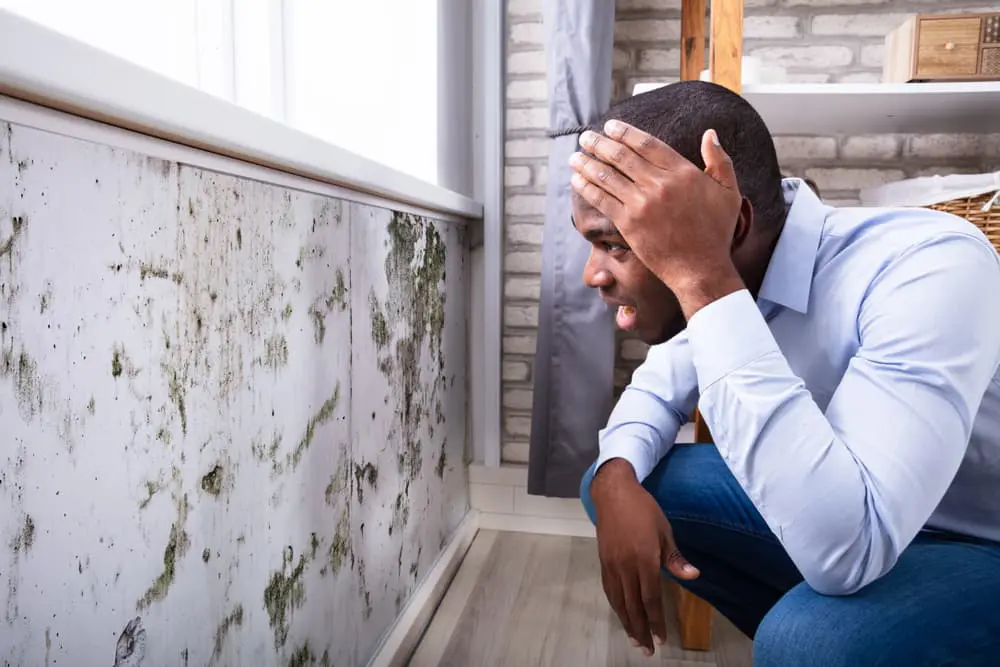
Mold is more than just an unsightly problem—it can affect your health and compromise the structural integrity of your home. Tackling mold efficiently requires a methodical approach. A successful mold clean up involves identifying the source, taking the proper safety precautions, and thoroughly removing all traces of mold to prevent recurrence. This ultimate checklist will guide you through each step, ensuring your mold clean up is thorough, safe, and effective.
Understanding the Risks of Mold
Before diving into mold clean up, it’s crucial to understand why mold is dangerous. Mold releases spores that can trigger allergic reactions, respiratory issues, and other health problems, especially in children, the elderly, and those with compromised immune systems. Additionally, mold can weaken wood, drywall, and other building materials, leading to costly repairs if left untreated.
Recognizing the risks allows you to approach mold clean up with the seriousness it requires. It’s not just about aesthetics—it’s about protecting your health and your property.
Identifying Mold Growth
Effective mold clean up begins with identifying affected areas. Mold thrives in damp, dark environments, so start by inspecting basements, bathrooms, kitchens, and areas near water leaks. Signs of mold include visible black, green, or white patches, musty odors, and water stains.
It’s important to note that mold can grow behind walls, under carpets, or inside HVAC systems. If you suspect hidden mold, consider hiring a professional to conduct a thorough inspection. Early detection is key to preventing extensive damage and complicated mold clean up.
Gathering Essential Supplies
Proper tools and materials are essential for a successful mold clean up. Equip yourself with the following supplies:
- Protective gloves, goggles, and N95 respirators to avoid inhaling spores
- Plastic sheeting and tape to contain the affected area
- Scrub brushes, sponges, and rags for cleaning surfaces
- Cleaning solutions, such as commercial mold removers, bleach diluted with water, or vinegar for smaller infestations
- HEPA vacuum for removing spores from surfaces and the air
- Moisture meter to check for hidden damp areas
Having the right supplies ensures that your mold clean up is safe and effective, minimizing the risk of spreading spores.
Safety Precautions During Mold Clean Up
Mold clean up can expose you to hazardous spores, so taking safety precautions is non-negotiable. Always wear protective gear and ensure proper ventilation in the area. Seal off affected areas with plastic sheeting to prevent spores from contaminating other parts of your home.
If the mold infestation covers a large area (greater than 10 square feet) or affects your HVAC system, it’s advisable to hire a professional. Attempting extensive mold clean up without the proper expertise can worsen the problem or put your health at risk.
Removing Mold from Surfaces
Once safety measures are in place, you can begin the actual mold clean up. Start by scrubbing hard surfaces with detergent and water, followed by a disinfectant solution. For porous materials like drywall or carpet that are heavily infested, removal and replacement may be necessary, as mold can penetrate deeply and cannot be fully eliminated.
Pay close attention to corners, crevices, and areas prone to moisture accumulation. Using a HEPA vacuum after scrubbing can help remove remaining spores from surfaces and the air, reducing the risk of recurrence.
Addressing Moisture Issues
Mold clean up is only effective if the underlying moisture problem is resolved. Mold thrives in damp environments, so it’s critical to identify and fix the source of moisture. This could include repairing leaks, improving ventilation, installing dehumidifiers, or adjusting the grading around your home to prevent water intrusion.
Regularly checking for signs of moisture and maintaining low indoor humidity levels are proactive steps that prevent mold from returning after a clean up.
Proper Disposal of Contaminated Materials
During mold clean up, many materials may need to be discarded to ensure thorough removal. Place contaminated items in sealed plastic bags and dispose of them according to local regulations. Avoid shaking or disturbing moldy materials, as this can release spores into the air and compromise the effectiveness of your clean up.
Keeping disposal organized and safe is a crucial part of the mold clean up process. It prevents cross-contamination and ensures that your home environment remains healthy.
Post-Clean Up Cleaning and Monitoring
After completing mold clean up, it’s important to clean all surfaces with a mild disinfectant and monitor the affected area regularly. Inspect for signs of new mold growth and check moisture levels in previously affected areas.
Consider using a HEPA air purifier to reduce airborne spores and maintain a clean environment. Regular monitoring and preventive maintenance ensure that your mold clean up is not a one-time effort but a long-term solution.
When to Call in Professionals
While minor mold infestations can often be handled by homeowners, certain situations require professional intervention. Large infestations, mold in HVAC systems, or mold caused by contaminated water (such as sewage) should be addressed by experts.
Professional mold clean up services have specialized equipment, training, and experience to remove mold safely and prevent recurrence. Hiring professionals may be more expensive initially, but it can save time, effort, and potential health risks in the long run.
Preventive Measures to Avoid Future Mold Growth
Preventing mold from returning is as important as the clean up itself. Some effective preventive measures include:
- Regularly inspecting areas prone to moisture
- Using dehumidifiers in damp spaces
- Ensuring proper ventilation in bathrooms and kitchens
- Fixing leaks promptly
- Using mold-resistant paints and building materials in susceptible areas
By implementing these strategies, you can reduce the likelihood of another mold outbreak and protect your home and health.
Final Thoughts
Successful mold clean up is a multi-step process that involves careful identification, proper safety precautions, thorough cleaning, and ongoing monitoring. By following this ultimate checklist, you can tackle mold confidently and efficiently, ensuring your home remains safe, healthy, and mold-free.
Remember, mold clean up is not just about removing visible patches—it’s about addressing the root cause, eliminating spores, and preventing recurrence. With the right tools, knowledge, and precautions, you can achieve a successful mold clean up that safeguards both your property and your well-being.