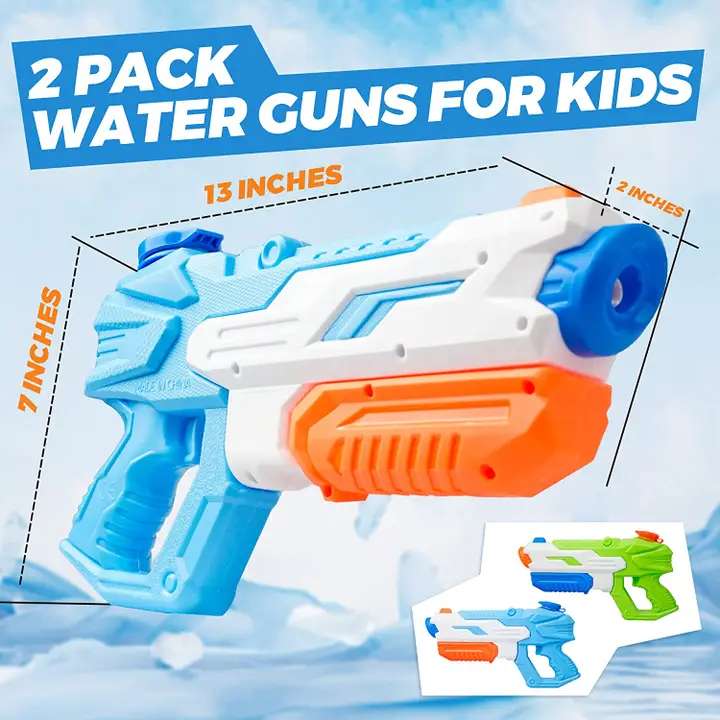
The global market for summer toys, pool accessories, and outdoor entertainment is fiercely competitive. Whether you are launching a new line of high-pressure blasters or expanding an existing catalog of seasonal merchandise, the safety, durability, and reliability of your products can make or break your brand reputation. When sourcing inventory, partnering with a dependable water gun manufacturer is the single most critical decision you will make. Toys designed for water play often involve pressurization, mechanical triggers, seals, and frequent exposure to moisture, all of which introduce unique manufacturing challenges. Ensuring rigorous quality control and strict adherence to international safety standards is not just a regulatory checkbox; it is a fundamental pillar of consumer trust and business longevity.
Understanding the Landscape of Water Gun Manufacturing
Manufacturing water toys requires specialized knowledge in plastics engineering, mold design, and pressure regulation. A seasoned water gun manufacturer understands the complexities of rotational molding, injection molding, and sonic welding required to create leak-proof reservoirs and durable pump mechanisms. However, technical expertise alone is not enough. The toy industry is governed by some of the strictest safety regulations in the world, including ASTM F963 in the United States, EN71 in Europe, and various ISO standards. Navigating these regulatory frameworks requires complete transparency and robust quality management systems at every stage of production.
Why Quality Control Matters More Than Ever in Toy Production
Quality control is the systematic process that ensures products meet defined standards of quality, safety, and performance before they ever leave the factory floor. In the context of water toys, a failure in quality control can lead to catastrophic consequences. Faulty pressure valves can cause excessive bursting pressure, sharp flash edges from poor trimming can cause lacerations, and substandard plastics can degrade rapidly under UV exposure, releasing harmful microplastics or phthalates.
When consumers purchase a high-powered water blaster—especially iconic designs inspired by legendary systems like CPS TOYS technology—they expect longevity, powerful streams, and absolute safety for children and adults alike. If a batch suffers from brittle plastics or faulty seals, the resulting product recalls, negative reviews, and potential liability issues can devastate a brand. Therefore, asking the right questions before signing a manufacturing contract is essential for risk mitigation.
Key Questions to Ask Your Water Gun Manufacturer
To ensure your manufacturing partner operates at the highest level of compliance and craftsmanship, you must conduct a thorough audit of their processes. Here are the most vital questions you should ask during the vetting stage.
What Certifications and Compliance Standards Do Your Facilities Maintain?
The foundation of any reputable manufacturing partnership lies in verified compliance. You must ask whether the factory holds current ISO certifications, such as ISO 9001 for quality management systems and ISO 14001 for environmental management. Furthermore, inquire specifically about toy safety compliance. Can the manufacturer provide third-party test reports from accredited laboratories like SGS, TÜV, or Intertek proving compliance with ASTM F963, EN71, and CPSIA regulations? A trustworthy water gun manufacturer will readily share documentation verifying that their materials are non-toxic, lead-free, and phthalate-free.
What Is Your Material Sourcing and Inspection Process?
The quality of a finished toy depends entirely on the raw materials used. Ask your supplier where they source their plastic resins, such as ABS, PVC, and PP, and whether they use virgin or recycled materials. While recycled plastics are environmentally friendly, lower-grade recyclables can compromise structural integrity, which is dangerous in pressurized toys. Inquire about their incoming material inspection protocols. Do they test raw resin batches for chemical composition and mechanical strength before they enter the production line? Ensuring high-grade material sourcing is the first line of defense against defective products.
How Do You Handle Pressure Testing and Leak Prevention?
Water blasters rely on pneumatic or mechanical pressure to propel water across long distances. This functionality introduces significant risk if the reservoirs or pump cylinders are structurally compromised. You need to know how the factory tests for pressure resistance and seal integrity. Do they perform random sampling or 100 percent inline testing for pressure thresholds? Ask about their burst-pressure testing methodologies and what safety margins they build into their designs to prevent accidental ruptures during vigorous play.
What Does Your Internal Quality Control Protocol Look Like?
A comprehensive quality control framework spans the entire manufacturing lifecycle, from pre-production to final packaging. Ask the factory to walk you through their stage-by-stage inspection process. This should include Pre-Production Inspection (PPI) of molds and tooling, During Production Monitoring (DUPRO) to catch assembly defects early, and Pre-Shipment Inspection (PSI) following AQL (Acceptable Quality Limit) standards. Inquire about how many quality assurance inspectors are on the floor and whether their reports are shared transparently with your team.
Can You Accommodate Custom Engineering and Prototyping?
If you are developing innovative features, ergonomic grips, or proprietary pumping mechanisms, your manufacturing partner must have robust engineering capabilities. Ask about their in-house research and development team, their use of CAD software, and their rapid prototyping processes. Can they help optimize your designs for manufacturability, ensuring that complex geometries can be molded efficiently without sacrificing structural strength? A versatile water gun manufacturer should act as a collaborative partner in refining your product concept.
What Are Your Environmental and Ethical Labor Standards?
Modern consumers and regulatory bodies increasingly demand transparency regarding ethical manufacturing. It is crucial to verify that the factory adheres to fair labor practices, safe working conditions, and reasonable working hours. Ask if the facility has undergone recent ethical audits, such as Sedex (SMETA) or BSCI evaluations. Additionally, inquire about their environmental sustainability practices, such as wastewater management, energy-efficient injection molding machines, and waste reduction strategies during production.
What Is Your Policy on Defect Rates and Return Replacements?
Even with the strictest protocols in place, minor discrepancies can occasionally occur in mass manufacturing. Before finalizing your contract, establish clear terms regarding acceptable defect rates and liability. What is the factory’s policy if an AQL inspection fails? Are they responsible for rework costs, or do they offer replacement units for defective batches? Clear, contractual agreements regarding defect management protect your bottom line and ensure accountability.
Navigating the Supply Chain for Iconic Innovations
The market for water blasters has evolved dramatically over the decades. Modern enthusiasts look for sophisticated valve systems, high-capacity chambers, and ergonomic designs that harken back to revolutionary engineering breakthroughs like those popularized by CPS TOYS configurations. Replicating or innovating upon these high-performance systems demands extreme precision. A slight variance in nozzle dimensions or pump wall thickness can drastically alter water pressure, range, and user experience. Sourcing from a specialized water gun manufacturer ensures that your products capture the power and reliability that consumers demand.
Building a Long-Term, Transparent Partnership
Ultimately, choosing a manufacturing partner is about building a relationship rooted in communication, trust, and shared standards. Do not rely solely on digital catalogs or promotional brochures. Whenever possible, arrange for third-party factory audits or visit the production facilities in person to inspect the machinery, talk to floor supervisors, and observe quality control procedures firsthand.
By asking probing questions about material purity, pressure testing, compliance documentation, and labor ethics, you safeguard your brand against costly recalls and quality failures. Investing time upfront in rigorous vetting ensures that every product bearing your name delivers safe, durable, and thrilling fun to the end consumer. Quality control is not merely a manufacturing cost; it is the ultimate investment in your brand’s future success.