Introduction
The healthcare industry increasingly depends on medical devices to provide reliable patient care, monitor health conditions, and support medical professionals in hospitals, clinics, and remote locations. However, many medical devices require a consistent power supply to operate effectively. In areas where electricity is Solar Panel For Electronic Device unreliable or unavailable, maintaining access to essential medical equipment can become a significant challenge. A solar panel for medical device applications offers a practical and sustainable way to address this problem.
Solar energy converts sunlight into electricity, providing an alternative power source for different types of medical equipment. From portable diagnostic tools to remote health monitoring systems, solar-powered solutions can improve energy access while reducing dependence on traditional electricity sources. As healthcare technology continues to develop, solar power is becoming an important consideration for organizations seeking dependable and environmentally responsible energy solutions.
What Is a Solar Panel for Medical Devices?
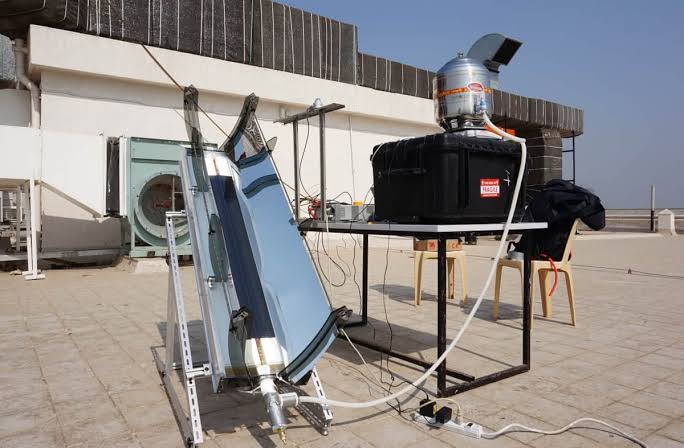
A solar panel for medical device applications is a photovoltaic system designed to generate electricity from sunlight and supply power to compatible medical equipment. These systems can be used directly with suitable devices or connected to batteries and power management units that provide electricity when sunlight is unavailable.
Unlike conventional power supplies, solar panels generate renewable energy without requiring fuel combustion during operation. Their usefulness depends on the equipment’s energy requirements, the available sunlight, and the design of the complete power system.
A typical solar-powered medical system may include solar panels, a charge controller, a battery, voltage regulation components, and the medical device itself. Each component plays an important role in maintaining a suitable and stable power supply.
Because medical equipment can have strict electrical and safety requirements, the solar power system must be carefully designed for its intended application.
Why Solar Energy Matters in Healthcare
Reliable electricity is essential for modern healthcare services. Hospitals generally have established electrical infrastructure and backup systems, but rural clinics, mobile medical teams, and temporary healthcare facilities may face greater power challenges.
Solar energy can help address these difficulties in several ways.
Supporting Remote Healthcare Facilities
Some communities have limited access to dependable electricity. Healthcare workers in these locations may need to operate portable diagnostic equipment, communication devices, or patient monitoring systems.
A properly designed solar power system can provide electricity for compatible equipment without relying entirely on the local electrical grid. This can help healthcare providers deliver services in remote communities and temporary medical facilities.
Reducing Dependence on Grid Electricity
Power interruptions can disrupt medical operations and create difficulties for healthcare professionals. Solar panels paired with suitable battery storage can provide an additional source of energy for selected devices.
However, solar power should not automatically be treated as a replacement for hospital backup electricity. Critical equipment requires professionally designed backup arrangements and verified power continuity.
Supporting Environmental Sustainability
Healthcare facilities consume electricity for lighting, ventilation, diagnostic equipment, refrigeration, and numerous other operations. Generating some of this electricity through solar energy can reduce dependence on fossil-fuel-based power.
Solar systems also produce no direct combustion emissions while generating electricity. This makes them an attractive option for healthcare organizations working toward environmental sustainability goals.
Medical Devices That May Benefit from Solar Power
Solar energy can support various medical technologies when their electrical requirements are compatible with the proposed system.
Portable Diagnostic Equipment
Portable diagnostic devices are useful in community health programs, mobile clinics, and medical outreach activities. Depending on their specifications, selected devices may be powered or recharged through solar-supported battery systems.
Examples include certain portable diagnostic instruments and compatible electronic testing equipment. The power system must provide the correct voltage, current, and charging characteristics specified by the manufacturer.
Patient Monitoring Devices
Some portable patient monitoring systems use rechargeable batteries to support movement between locations or temporary operation away from fixed power outlets.
A solar panel may recharge compatible batteries through an approved charging arrangement. This can be useful in outdoor medical programs and locations with limited electricity.
For critical monitoring applications, however, solar charging alone is not sufficient to guarantee continuous operation. Appropriate battery capacity, alarms, backup power, and clinical safety requirements remain essential.
Medical Communication Equipment
Healthcare teams often use tablets, phones, wireless communication devices, and digital systems to record patient information or coordinate services.
Solar charging solutions can support these accessories and help medical workers maintain communication in remote environments. Their relatively modest power requirements may make them suitable candidates for portable solar systems.
Mobile Healthcare Units
Mobile clinics and temporary healthcare stations may use solar panels to supplement their electricity supply. Depending on system capacity, solar energy can support lighting, electronic records, communications, and selected low-power medical devices.
Larger equipment may require substantial electrical capacity, so the system must be sized according to the combined energy demand of all connected devices.
Key Features of Solar Panels for Medical Devices
Selecting an appropriate solar power solution requires attention to several important features.
Efficient Energy Conversion
Solar panel efficiency describes how effectively a panel converts sunlight into electricity. Higher efficiency can be useful when installation space is limited, particularly in portable medical kits and mobile clinics.
Nevertheless, efficiency should not be the only selection criterion. Total daily energy production, panel size, operating conditions, and system cost also matter.
Battery Storage Compatibility
Medical devices may need electricity during cloudy weather or at night. A suitable battery system can store energy generated during daylight hours for later use.
Battery capacity should be calculated from the device’s energy consumption and the required backup duration. Battery chemistry, temperature limits, charging specifications, and protection systems must also be considered.
Stable Voltage and Power Regulation
Medical electronics may be sensitive to voltage fluctuations, electrical noise, and unexpected power interruptions. Solar panels produce variable output depending on sunlight conditions, making power regulation particularly important.
A properly designed system may include a charge controller, voltage regulator, battery management system, or approved power converter. These components help deliver electricity within the medical device manufacturer’s specified operating limits.
Portability and Durability
Portable solar panels can be useful for mobile health teams and field-based medical services. Lightweight designs are easier to transport, while durable materials can help the equipment withstand routine outdoor use.
Healthcare providers should also consider water resistance, temperature tolerance, cleaning requirements, and the protection of electrical connections.
How to Choose the Right Solar Panel for a Medical Device
Choosing the correct solar solution begins with understanding the medical device rather than simply purchasing a panel with a high wattage rating.
First, check the device’s rated voltage, current, power consumption, and charging requirements. Calculate its expected daily energy use and determine how many hours it must operate.
Next, evaluate the available sunlight at the installation location. Shade, seasonal weather, panel orientation, and local environmental conditions can influence energy production.
Battery storage should then be selected according to the required operating time when sunlight is unavailable. Include suitable reserves for periods of poor weather and account for battery conversion losses.
It is also important to assess electrical and medical safety. The system should be compatible with the equipment’s approved power input and must not compromise protective grounding, isolation, electromagnetic compatibility, or other relevant safety requirements.
For clinical equipment, qualified biomedical engineers and electrical professionals should review the design before deployment. Depending on the application and jurisdiction, medical electrical equipment standards and applicable regulatory requirements may also need to be considered.
Benefits of Solar-Powered Medical Equipment
Solar energy offers several potential advantages for healthcare organizations.
- Renewable electricity: Solar panels generate energy from an abundant natural resource.
- Improved energy access: Properly designed systems can support medical services in locations with limited grid access.
- Lower operating expenses: Solar generation may reduce electricity costs over time, although installation and maintenance expenses must be considered.
- Portable power options: Compact systems can help mobile medical teams recharge compatible equipment.
- Reduced emissions: Solar electricity can reduce the use of fossil-fuel-based energy.
- Flexible installation: Solar systems can be configured for selected devices, portable kits, or larger healthcare facilities.
The actual benefits depend on the system design, local conditions, energy demand, and maintenance practices.
Challenges and Safety Considerations
Although solar power offers important advantages, it also presents challenges. Energy production changes with sunlight availability, and cloudy weather can reduce the electricity generated. Batteries eventually require replacement, while panels and electrical connections need periodic inspection.
Another consideration is the importance of uninterrupted power for certain medical applications. Equipment used for life support, critical patient monitoring, or other essential clinical functions must not depend on an unverified solar setup.
Healthcare providers should use approved power arrangements, appropriate electrical protection, and professionally assessed backup systems. They should also establish procedures for checking battery condition, monitoring system performance, and responding to power failures.
These precautions help ensure that sustainability improvements do not compromise patient safety.
The Future of Solar Panels for Medical Devices
Advances in photovoltaic technology, battery storage, power electronics, and portable medical equipment are creating new opportunities for solar-powered healthcare. Smaller panels, improved energy management, and more efficient electronic devices may make off-grid medical services increasingly practical.
Solar-supported charging stations could also help community health workers maintain digital communication and power compatible diagnostic accessories during outreach programs.
As healthcare providers explore these opportunities, collaboration between medical equipment manufacturers, solar technology companies, and biomedical engineers will remain important. Reliable designs must balance energy efficiency, portability, cost, and patient safety.
Conclusion
A solar panel for medical device applications can provide a sustainable source of electricity for compatible healthcare equipment, particularly in remote clinics, mobile medical units, and locations with unreliable grid power. Solar energy can support portable diagnostics, selected monitoring systems, communication equipment, and other devices when the complete power system meets their requirements.
Successful implementation requires more than selecting a suitable panel. Battery storage, voltage regulation, environmental conditions, electrical compatibility, and dependable backup arrangements must all be considered.
With careful planning and professional assessment, solar-powered medical solutions can help improve energy access, support healthcare operations, and contribute to a more sustainable future for medical services.