TikTok has become one of the most popular platforms for sharing short-form videos, discovering trends, building communities, and promoting businesses. For creators who want to grow their audience, understanding the platform’s available features and creator tools can make content planning and performance analysis much username generator easier. Whether you are a beginner, an influencer, or a business owner, using the right tools can help you create engaging videos and develop a consistent content strategy.
TikTok creator tools provide useful features for understanding audience behavior, reviewing video performance, managing content, and exploring monetization opportunities. When combined with creativity and regular publishing, these resources can help creators make more informed decisions about their content.
What Are TikTok Creator Tools?
TikTok creator tools are features and resources designed to help users create, manage, analyze, and improve their content. Depending on account eligibility, location, and the latest platform updates, available features may include analytics, creator education, monetization programs, content management options, and audience insights.
These tools are valuable because content creation involves more than recording and uploading videos. Creators must also understand which topics attract viewers, when their audiences are active, how people interact with their posts, and which formats encourage continued engagement.
By using the available tools, creators can evaluate their progress instead of relying entirely on views or follower counts.
Essential TikTok Creator Tools for Better Content
1. TikTok Analytics
Analytics is one of the most useful resources for understanding content performance. It can provide information about video views, profile visits, follower growth, watch time, and engagement, depending on the reporting options available to an account.
Creators can use these insights to identify patterns across their videos. For example, if educational videos consistently attract more comments and longer viewing times than other formats, producing additional educational content may be worth testing.
Analytics can also help creators recognize videos that attract new audiences. Reviewing these results regularly makes it easier to adjust content themes and improve future posts.
2. TikTok Video Editing Tools
TikTok offers creative features that help users produce videos directly within the platform. Depending on availability, these can include trimming clips, adding text, applying filters, using transitions, recording voiceovers, and synchronizing content with sounds.
Good editing helps communicate a message clearly. Creators should focus on a strong opening, readable captions, appropriate pacing, and a clear conclusion.
External editing applications can provide additional flexibility, but creators do not necessarily need expensive software to make effective videos. Simple edits that support the message are often sufficient.
3. TikTok Creative Center
TikTok Creative Center is a useful resource for discovering trends, popular creative approaches, advertising inspiration, and performance-related insights. Its available features can vary by region and over time.
Creators can explore trending hashtags, songs, and content themes to understand what audiences are discussing. However, a trend is most useful when it fits the creator’s niche and audience.
For example, a fitness creator might adapt a popular video format into a practical exercise explanation, while a cooking creator could use a trending sound to introduce a simple recipe.
The objective is to make trends relevant rather than copying content without adding original value.
4. TikTok Comment and Community Features
Comments, replies, and other interaction features help creators build relationships with viewers. Responding to useful questions can generate ideas for future videos and make followers feel included in the conversation.
Creators can also review recurring questions to identify topics that deserve more detailed explanations. If several viewers ask about the same subject, a dedicated video may provide value while encouraging further discussion.
Meaningful interaction is more sustainable than focusing only on increasing the number of comments.
How Engagement Rate Calculators Help TikTok Creators
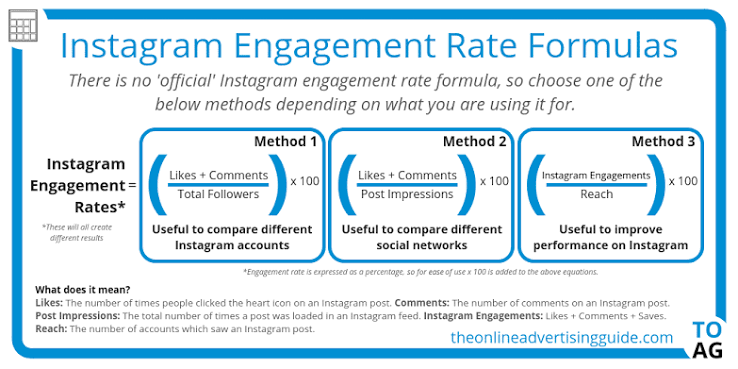
An engagement rate calculator is an additional resource that helps creators evaluate how audiences interact with their content. Depending on the calculator, engagement may include likes, comments, shares, and other measurable interactions.
A common engagement rate formula based on views is:
Engagement Rate = (Total Engagements ÷ Total Views) × 100
For example, if a video receives 500 interactions and 10,000 views, its engagement rate by views is 5%.
Other calculators use follower counts as the denominator, so it is important to understand which formula is being applied before comparing results.
Engagement rate calculators are particularly useful when reviewing multiple videos, assessing campaign performance, or preparing reports for potential brand partnerships. Nevertheless, no single percentage tells the complete story. Watch time, audience relevance, saves where measurable, and meaningful comments can provide additional context.
TikTok Username Generators and Profile Optimization
A recognizable username makes it easier for viewers to remember and find a creator. A TikTok username generator can help brainstorm names that reflect a niche, personal brand, business, or creative style.
When choosing a username, consider these practical guidelines:
- Keep it short and easy to spell.
- Make it relevant to your content or identity.
- Avoid unnecessary numbers and complicated symbols.
- Choose a name that can work across other social platforms.
- Check availability before using the same name elsewhere.
Profile optimization also matters. A clear profile photo, concise biography, and consistent content theme help visitors understand what a creator offers.
Creators should avoid changing their branding too frequently because consistency can improve recognition over time.
How to Use TikTok Creator Tools to Grow an Audience
Using creator tools effectively requires a repeatable process. Rather than trying every feature at once, creators can develop a simple routine.
Step 1: Define Your Content Niche
Choose a clear subject area, such as technology, education, beauty, travel, entertainment, or personal development. A focused niche helps establish expectations and makes it easier to plan relevant videos.
Step 2: Research Relevant Trends
Explore TikTok Creative Center and observe conversations within your niche. Look for recurring questions, popular formats, and subjects that match your expertise.
Use trends as inspiration while ensuring that your content remains original.
Step 3: Create and Publish Consistently
Develop a realistic posting schedule that allows enough time for planning, filming, editing, and reviewing results. Consistency is more useful when content quality remains a priority.
Each video should have a clear purpose, whether it teaches something, entertains viewers, answers a question, or introduces a product.
Step 4: Review Performance
After publishing, examine the available analytics. Compare different hooks, video lengths, topics, and presentation styles.
Avoid making major decisions based on one video alone. Reviewing several posts can reveal more reliable patterns.
Step 5: Improve Based on Evidence
Use performance data to refine your next batch of content. If viewers leave early, experiment with a more direct introduction. If a particular topic generates thoughtful questions, consider creating a follow-up video.
This cycle of planning, publishing, measuring, and improving helps creators develop a strategy grounded in actual audience behavior.
TikTok Money Calculators and Monetization Tools
Creators who want to earn money from TikTok can use earnings estimators and money calculators to explore potential revenue. These calculators may estimate earnings using views, engagement, audience size, or assumptions about advertising rates and brand deals.
However, estimates are not guaranteed income. Actual earnings depend on eligibility, program availability, audience location, advertiser demand, content type, and other factors.
Potential income sources include eligible TikTok monetization programs, sponsored content, affiliate marketing, product sales, and services promoted through a creator’s profile.
Before relying on a particular monetization option, creators should review TikTok’s current requirements and applicable regional rules. They should also follow advertising disclosure requirements when promoting products or working with brands.
Common Mistakes to Avoid
Even the best tools cannot guarantee success if they are used without a clear strategy. One common mistake is chasing every trend, even when it has little connection to the creator’s audience.
Another mistake is judging success entirely by views. A video with fewer views may still attract relevant followers, generate valuable conversations, or support a business goal.
Creators should also avoid buying fake followers or engagement. Artificial activity can distort performance measurements and undermine trust.
Finally, do not overlook originality, accessibility, and community guidelines. Clear captions, accurate information, respectful communication, and responsible use of music and other creative materials help support a professional content presence.
Conclusion
TikTok creator tools give content creators practical ways to plan videos, explore trends, measure engagement, understand audiences, and investigate monetization opportunities. Features such as analytics, editing resources, Creative Center, and community interactions can support better decisions throughout the content creation process.
Additional resources, including engagement rate calculators, username generators, and earnings estimators, can make specific tasks easier when their limitations are understood.
The most effective approach is to combine these tools with original ideas, consistent publishing, and regular performance reviews. By focusing on audience needs and learning from measurable results, creators can build a more organized TikTok strategy and work toward sustainable growth over time.