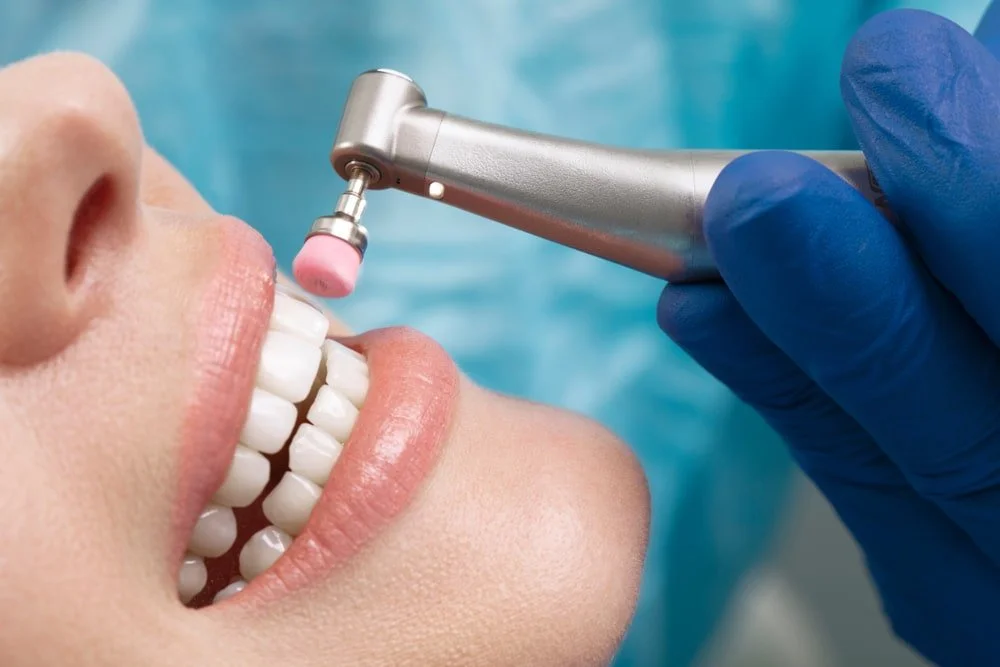
A dental hygienist plays a vital role in maintaining oral health and supporting dentists in providing comprehensive dental care. While the role may appear straightforward, it involves a complex blend of clinical skills, patient education, and preventative care. Understanding the responsibilities of a dental hygienist helps patients appreciate the importance of their work and offers insight for those considering a career in this field.
The Role of a Dental Hygienist in Oral Health
A dental hygienist primarily focuses on preventive oral care. This involves cleaning patients’ teeth, examining gums, and monitoring oral health to prevent dental diseases. Regular visits to a dental hygienist can help detect early signs of issues such as cavities, gum disease, and oral cancer, which, if left untreated, can lead to serious complications.
Dental hygienists work closely with dentists to provide a continuum of care. While dentists handle diagnosis and treatment of complex conditions, the dental hygienist ensures that routine care and education help patients maintain healthy teeth and gums. This preventive approach reduces the need for invasive procedures and supports overall well-being.
Clinical Duties of a Dental Hygienist
One of the core responsibilities of a dental hygienist is performing clinical procedures that maintain and improve oral health. These procedures typically include scaling and polishing teeth to remove plaque and tartar, applying fluoride treatments, and taking dental X-rays.
Scaling and cleaning are critical tasks, as they prevent gum disease and tooth decay. A dental hygienist must be skilled in using both manual and ultrasonic instruments to remove deposits effectively without damaging the teeth or gums. Applying fluoride and other protective treatments helps strengthen enamel, particularly for patients prone to cavities.
Dental hygienists also monitor patients for oral abnormalities, such as lesions or inflammation, and document findings for the dentist. This early detection can be life-saving, especially in identifying conditions like oral cancer, which often begins unnoticed.
Educating Patients on Oral Hygiene
Beyond clinical care, patient education is a significant part of the dental hygienist’s responsibilities. Educating patients about proper brushing, flossing techniques, and dietary habits helps prevent oral diseases before they start.
A dental hygienist provides personalized guidance, considering factors such as age, health conditions, and lifestyle. For example, children may need advice on fluoride use, while adults might require education on managing gum recession or preventing tartar buildup. By fostering good oral hygiene habits, dental hygienists empower patients to take control of their dental health.
Supporting Dentists and the Dental Team
A dental hygienist works as an essential member of the dental team. They assist dentists during procedures, prepare instruments, and ensure that patients are comfortable throughout their visits. Their presence allows dentists to focus on complex procedures while hygienists manage preventive care and patient education.
Collaboration extends beyond the treatment room. Dental hygienists often help in scheduling follow-ups, maintaining patient records, and ensuring compliance with safety and sterilization standards. Their attention to detail contributes to the overall efficiency and quality of the dental practice.
Specializations Within Dental Hygiene
While many dental hygienists provide general preventive care, some pursue specializations that expand their responsibilities. For instance, pediatric dental hygienists focus on children, adapting care and education to meet developmental needs. Periodontal hygienists concentrate on treating and managing gum disease, often working closely with periodontists.
Some dental hygienists also specialize in public health, working in community clinics or schools to provide education and preventive care to underserved populations. These roles highlight the flexibility and diversity of responsibilities within the dental hygiene profession.
Regulatory and Ethical Responsibilities
A dental hygienist must adhere to professional standards and regulations. This includes maintaining licensure, following infection control protocols, and practicing within the scope of their training. Ethical responsibilities involve patient confidentiality, informed consent, and providing care that prioritizes patient well-being.
Staying up to date with continuing education is also a key responsibility. Dental hygiene is a constantly evolving field, with new technologies, treatments, and research shaping best practices. A committed dental hygienist invests in learning to provide the most effective and safe care.
Communication Skills in Dental Hygiene
Effective communication is another essential responsibility of a dental hygienist. They must explain procedures, address patient concerns, and provide instructions in a clear and reassuring manner. Building trust with patients encourages regular visits and adherence to preventive care recommendations.
Good communication extends to working with the dental team. Hygienists coordinate with dentists, assistants, and administrative staff to ensure seamless patient care. Strong interpersonal skills enhance the overall experience for patients and improve treatment outcomes.
The Impact of a Dental Hygienist on Overall Health
The responsibilities of a dental hygienist extend beyond oral health. Studies have shown that poor oral hygiene is linked to systemic conditions such as heart disease, diabetes, and respiratory infections. By promoting oral health, dental hygienists contribute to overall physical health and quality of life.
Regular visits to a dental hygienist can prevent serious health issues, making their work not only vital to dentistry but to public health as well. Their role in educating patients about the connections between oral hygiene and overall wellness further underscores their importance.
Career Outlook and Opportunities
For those interested in a career as a dental hygienist, the profession offers rewarding opportunities. Career paths may include working in private practices, hospitals, public health organizations, or educational institutions. The demand for dental hygienists continues to grow, driven by increased awareness of oral health and preventive care.
With experience, dental hygienists can also advance into leadership roles, such as practice management, education, or research. Their expertise and responsibilities make them indispensable members of the healthcare system.
Conclusion
A dental hygienist carries a wide range of responsibilities that encompass clinical care, patient education, teamwork, and professional development. Their work is essential in preventing oral diseases, promoting overall health, and supporting the efficiency of dental practices. Understanding the responsibilities of a dental hygienist highlights the value of preventive care and the dedication required to excel in this profession. For patients and aspiring dental professionals alike, the role of a dental hygienist is both impactful and indispensable.
The work of a dental hygienist demonstrates that oral health is more than just teeth—it is a cornerstone of general well-being and a crucial part of comprehensive healthcare.

