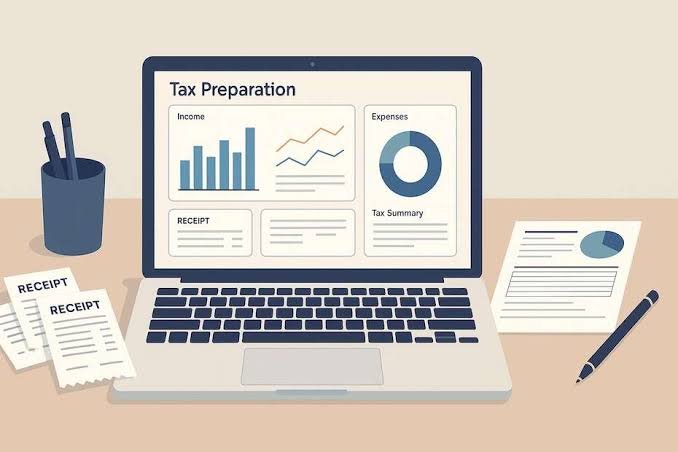
Managing money effectively has become an essential part of modern life. With everyday expenses, subscriptions, savings goals, bills, and unexpected costs competing for attention, it can be difficult to know exactly where your money is going. Fortunately, technology has made personal financial management more accessible than ever. A wide range of free online tools for personal finance can help people organize their money, monitor spending, create budgets, and make more informed financial decisions.
These tools can be particularly useful for people who want to improve their financial habits without paying for expensive software or hiring a professional. By combining simple technology with consistent financial habits, individuals can gain greater visibility and control over their finances.
Why Personal Finance Management Matters
Personal finance is not only about how much money you earn. It is also about how effectively you manage the money you already have. Poor financial organization can make it difficult to save, pay bills on time, or prepare for unexpected expenses.
A clear financial system allows you to understand your income and expenses. Once you know where your money is going, you can identify unnecessary spending and redirect some of those funds toward savings, debt repayment, or other priorities.
This is where online financial tools can provide valuable assistance. Instead of maintaining complicated spreadsheets manually, users can take advantage of digital solutions designed to simplify common financial tasks.
Understanding Free Online Tools for Personal Finance
There are many types of free online tools for personal finance, and each serves a different purpose. Some focus primarily on budgeting, while others help with calculations, savings planning, expense tracking, or financial education.
Budgeting tools allow users to set spending limits for different categories. Expense trackers help identify spending patterns by organizing transactions into categories such as groceries, transportation, entertainment, housing, and utilities.
Financial calculators are another useful option. They can help users estimate loan payments, savings growth, interest costs, or the amount they may need to save for a specific goal.
The important point is that these tools do not have to be complicated. Even a basic online calculator or budgeting template can provide useful information when it is used consistently.
Creating a Practical Budget
One of the most important steps in financial management is creating a realistic budget. A budget provides a plan for how income will be allocated across essential expenses, savings, debt payments, and discretionary spending.
Free budgeting tools can make this process easier by providing categories and simple tracking systems. Instead of guessing how much is being spent each month, users can enter their income and expenses and review the results.
A practical budget should reflect real-life spending. Setting unrealistic limits can make a financial plan difficult to maintain. It is generally more useful to begin with actual spending patterns and gradually adjust categories where changes are possible.
Tracking Everyday Expenses
Small purchases can add up quickly. A coffee, online subscription, delivery fee, or occasional impulse purchase may seem insignificant individually, but repeated expenses can have a noticeable effect on a monthly budget.
Expense-tracking tools help users see these patterns more clearly. By recording purchases, individuals can identify categories that consistently consume more money than expected.
Many free online tools for personal finance allow users to organize expenses by category. This can make it easier to determine whether spending aligns with personal priorities.
Tracking does not necessarily mean eliminating every enjoyable purchase. Instead, it provides information that can help people decide where their money should go.
Using Savings Calculators
Saving money becomes easier when a goal is clearly defined. Whether the objective is building an emergency fund, purchasing a major item, planning a trip, or preparing for a long-term financial goal, calculators can help turn a general intention into a specific target.
For example, a savings calculator can estimate how much needs to be saved regularly to reach a particular amount over a chosen period. Users can experiment with different monthly contributions and timelines to understand how small changes can affect the overall result.
These calculations can encourage more structured saving because they transform an abstract goal into measurable steps.
Managing Debt More Effectively
Debt management is another area where online tools can be useful. Loan and debt calculators can show estimated monthly payments, total interest costs, and potential repayment timelines.
Having this information can help users understand the long-term financial impact of borrowing. It may also make it easier to compare different repayment strategies.
However, online calculators provide estimates rather than personalized financial advice. Interest rates, fees, taxes, and individual circumstances can affect actual costs. Users should therefore verify important financial information with their lender or another reliable source.
Building Better Financial Habits
Technology can provide useful information, but successful money management still depends on habits. A budgeting application cannot automatically create financial discipline. Users need to review their information regularly and make decisions based on what they learn.
A simple routine can make a significant difference. For example, someone might review expenses once a week, check their budget at the end of each month, and update savings goals periodically.
Over time, these small activities can become part of a regular financial routine. The goal is not to spend hours analyzing every transaction but to develop enough awareness to make thoughtful choices.
Protecting Your Financial Information
When using online financial tools, security should always be considered. Users should understand what information a platform collects and how that information is stored or used.
Strong, unique passwords and multi-factor authentication can provide additional protection where available. Users should also avoid entering sensitive financial information into unfamiliar websites without first checking their credibility.
Free does not automatically mean unsafe, but it is important to evaluate the privacy and security practices of any financial service before using it.
Making Financial Decisions With Better Information
One of the greatest advantages of free online tools for personal finance is improved visibility. When financial information is organized and easy to understand, it becomes easier to identify opportunities for improvement.
For example, someone may discover that several small subscriptions are consuming a significant amount of money each month. Another person may realize that increasing regular savings by a small amount could significantly improve their progress toward a goal.
The tools themselves do not make these decisions. Instead, they provide information that allows users to make decisions with greater awareness.
Combining Different Tools
No single tool needs to handle every aspect of personal finance. Users can combine several simple resources based on their needs.
A budgeting tool can help plan monthly spending, an expense tracker can monitor actual purchases, a savings calculator can support specific goals, and a debt calculator can provide repayment estimates.
Using several complementary free online tools for personal finance can create a simple financial management system without requiring expensive subscriptions.
The Long-Term Value of Financial Organization
Good financial management is an ongoing process rather than a one-time activity. Income, expenses, goals, and circumstances can change over time. Regularly reviewing financial information helps ensure that a budget remains relevant.
Online tools can make this process more convenient by reducing manual calculations and providing organized information. More importantly, they can encourage people to become more aware of their financial behavior.
The ultimate benefit is not simply having access to another digital tool. It is developing a clearer understanding of personal finances and using that understanding to establish practical goals.
Conclusion
Managing money does not have to involve complicated systems or expensive financial software. Today, numerous free online tools for personal finance can help users budget, track expenses, calculate savings, understand debt, and organize their financial goals.
The most effective approach is to choose tools that match your needs and use them consistently. Combined with realistic budgeting, regular reviews, careful spending, and sensible saving habits, these resources can make personal finance easier to understand and manage.
Technology cannot replace responsible financial decision-making, but it can provide the information and structure needed to make that process simpler. By taking advantage of accessible online resources, individuals can build stronger financial habits and work toward greater control over their money.