Introduction
Fire disasters can cause devastating damage to property, infrastructure, and human lives. In many cases, the biggest challenge is not controlling the fire but detecting it early enough to prevent it from spreading. This is where a thermal camera for fire detection becomes an essential tool. Unlike traditional fire detection systems that rely on smoke or heat thresholds, thermal imaging technology identifies temperature variations in real time, allowing for faster and more accurate detection.
With the growing demand for advanced safety solutions, businesses, industries, and even homeowners are turning to innovative technologies like thermal imaging. In this article, we will explore how a thermal camera for fire detection works, its benefits, and how it plays a crucial role in preventing disasters.
Understanding Thermal Camera Technology
What is a Thermal Camera for Fire Detection
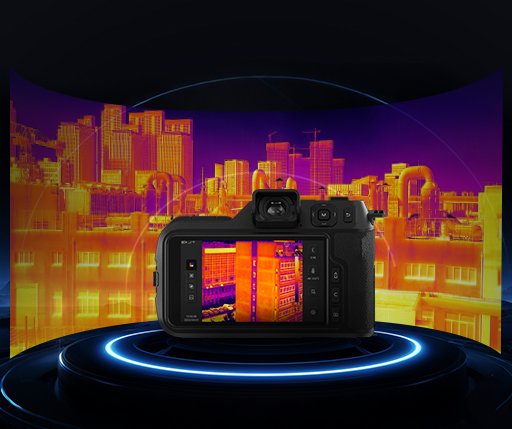
A thermal camera for fire detection is a device that uses infrared technology to detect heat signatures. Instead of capturing visible light like standard cameras, it visualizes temperature differences. This enables it to identify hotspots, overheating equipment, or potential fire hazards even before flames or smoke appear.
How It Works
Thermal cameras detect infrared radiation emitted by objects. Every object with a temperature above absolute zero emits infrared energy. The camera converts this radiation into a visual image known as a thermogram, where different colors represent varying temperatures.
For fire detection purposes, these cameras are programmed to recognize abnormal heat patterns. When a sudden increase in temperature is detected, the system triggers alerts, enabling immediate action.
Why Traditional Fire Detection Methods Fall Short
Limitations of Smoke Detectors
Traditional smoke detectors rely on the presence of smoke particles. However, smoke often appears only after a fire has already started and begun spreading. This delay can be critical, especially in high-risk environments.
Delayed Heat Detection
Conventional heat sensors activate only when temperatures exceed a certain threshold. By the time this happens, the fire may already be out of control.
Environmental Challenges
Dust, humidity, and airflow can affect traditional fire detection systems, causing false alarms or delayed responses. In contrast, a thermal camera for fire detection operates effectively in various environmental conditions, including darkness, fog, and smoke.
Key Benefits of Using a Thermal Camera for Fire Detection
Early Fire Detection
One of the most significant advantages of using a thermal camera for fire detection is its ability to identify potential fire risks at an early stage. It can detect overheating equipment, electrical faults, or friction-induced heat before ignition occurs.
Continuous Monitoring
Thermal cameras provide 24/7 surveillance, ensuring that no area is left unmonitored. This continuous observation significantly reduces the chances of unnoticed hazards.
Non-Contact Detection
Since thermal imaging does not require physical contact, it can monitor hard-to-reach or hazardous areas safely. This makes it ideal for industrial environments and high-risk zones.
Reduced False Alarms
Advanced thermal cameras are designed to differentiate between normal temperature variations and actual threats. This reduces the number of false alarms, improving overall system reliability.
Real-Time Alerts
Modern systems integrated with thermal cameras can send instant alerts to control rooms or mobile devices. This enables rapid response, minimizing potential damage.
Applications of Thermal Camera for Fire Detection
Industrial Facilities
Factories and manufacturing plants often deal with machinery that generates high heat. A thermal camera for fire detection helps monitor equipment and prevent overheating, reducing the risk of industrial fires.
Warehouses and Storage Units
Warehouses storing flammable materials are highly vulnerable to fires. Thermal cameras can detect hotspots in storage areas, ensuring early intervention.
Power Plants and Electrical Systems
Electrical faults are a leading cause of fires. Thermal imaging can identify overheating circuits, transformers, and connections, preventing potential disasters.
Forest Fire Monitoring
Thermal cameras are increasingly used in forest areas to detect wildfires at an early stage. By identifying heat signatures from a distance, authorities can respond quickly and prevent large-scale destruction.
Commercial and Residential Buildings
From office buildings to homes, installing a thermal camera for fire detection enhances safety by providing an additional layer of protection beyond traditional systems.
Role of Advanced Technology in Fire Prevention
Integration with AI and Automation
Modern thermal imaging systems are often integrated with artificial intelligence. These systems can analyze temperature patterns, predict potential risks, and automate responses such as triggering alarms or activating suppression systems.
Smart Surveillance Systems
Thermal cameras can be part of a larger smart surveillance network. They can work alongside CCTV systems to provide both visual and thermal data, improving overall situational awareness.
Remote Monitoring Capabilities
With cloud-based systems, users can monitor thermal camera feeds remotely. This is particularly useful for large facilities or multiple locations, ensuring safety even when personnel are not physically present.
Why Choose Guide Sensmart for Thermal Solutions
When it comes to reliable and advanced thermal imaging solutions, Guide Sensmart stands out as a trusted provider. Their thermal camera for fire detection solutions are designed with cutting-edge technology to ensure accuracy, durability, and efficiency.
Guide Sensmart products are known for their high-resolution imaging, intelligent detection features, and robust performance in challenging environments. Whether for industrial, commercial, or environmental applications, their solutions are tailored to meet diverse safety needs.
By focusing on innovation and quality, Guide Sensmart ensures that users receive dependable tools to prevent fire hazards and protect valuable assets.
Best Practices for Implementing Thermal Cameras
Strategic Placement
To maximize effectiveness, thermal cameras should be installed in areas with high fire risk, such as electrical panels, machinery zones, and storage areas.
Regular Maintenance
Routine maintenance ensures that the cameras function optimally. Cleaning lenses and checking system performance are essential for accurate detection.
Integration with Alarm Systems
Connecting thermal cameras to alarm and suppression systems enhances response time, enabling immediate action in case of a threat.
Staff Training
Personnel should be trained to understand thermal images and respond appropriately to alerts. Proper training ensures that the technology is used effectively.
Future of Thermal Camera for Fire Detection
The future of thermal imaging in fire detection looks promising. Advancements in technology are making these systems more affordable, efficient, and accessible. With the integration of machine learning and IoT, thermal cameras will become even smarter, capable of predicting fires before they occur.
As awareness about fire safety continues to grow, more industries and individuals will adopt thermal camera solutions. This shift will play a crucial role in reducing fire-related losses worldwide.
Conclusion
A thermal camera for fire detection is a powerful tool that goes beyond traditional fire safety methods. By detecting heat anomalies early, providing continuous monitoring, and enabling real-time alerts, it significantly reduces the risk of fire disasters.
From industrial facilities to residential spaces, the adoption of thermal imaging technology is transforming how we approach fire prevention. With trusted solutions from Guide Sensmart, users can enhance safety, protect assets, and ensure peace of mind.