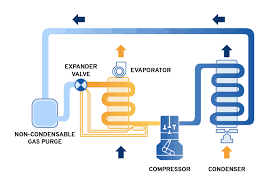
The heating, ventilation, and air conditioning (HVAC) industry has witnessed a major transformation in recent years. At the forefront of this evolution are smart cooling systems, which are redefining how buildings manage indoor climate efficiently. These systems leverage cutting-edge technology to provide comfort, energy efficiency, and improved environmental control, marking a significant departure from traditional HVAC methods.
The Rise of Smart Cooling Systems
Smart cooling systems integrate advanced sensors, artificial intelligence, and Internet of Things (IoT) connectivity to optimize temperature control. Unlike conventional systems, which operate on fixed schedules or manual adjustments, smart systems learn the habits of occupants and adjust cooling levels in real time. This dynamic approach not only enhances comfort but also significantly reduces energy consumption.
One of the key drivers of adoption is the increasing demand for energy-efficient solutions. With buildings accounting for a large percentage of global energy usage, reducing unnecessary cooling has become a priority. Smart cooling systems address this challenge by continuously monitoring room occupancy, outdoor weather conditions, and indoor air quality, adjusting operation accordingly to maintain efficiency without compromising comfort.
How Smart Cooling Systems Improve Efficiency
Energy efficiency is at the core of smart cooling systems. Traditional HVAC units often run at full capacity, even when cooling demand is low, leading to wasted energy and higher utility bills. Smart systems, however, use predictive algorithms to anticipate cooling needs. For example, a smart thermostat can pre-cool a building during off-peak hours, reducing the strain on the system during peak times.
Another feature that enhances efficiency is zoned cooling. Many smart cooling systems allow for individualized temperature control across different areas of a building. This means unoccupied rooms are not needlessly cooled, further conserving energy. In commercial buildings, this zoning can translate into substantial cost savings, making smart systems not only environmentally responsible but economically beneficial.
The Role of IoT and Connectivity
The integration of IoT technology has been a game-changer for cooling systems. Smart thermostats and sensors communicate with each other and with central control systems, providing detailed insights into energy usage and system performance. Building managers can now monitor HVAC performance remotely, receive alerts about maintenance issues, and even control temperature settings from mobile devices.
Connectivity also allows smart cooling systems to integrate with other building management systems. For example, lighting, security, and HVAC can work together to optimize overall energy consumption. If a room is unoccupied, lights and air conditioning can automatically adjust, creating a seamless and efficient environment.
Enhanced Comfort and Personalized Experiences
Beyond efficiency, smart cooling systems prioritize comfort. Traditional HVAC systems often provide uniform cooling, which may not satisfy all occupants. Smart systems, however, can adjust airflow and temperature based on individual preferences. In homes, this means different family members can set personalized comfort levels in their bedrooms or living spaces. In commercial environments, employees benefit from a more tailored work environment, potentially increasing productivity and satisfaction.
Advanced systems also monitor indoor air quality and humidity levels. By adjusting cooling operations based on these factors, smart systems help maintain a healthier indoor environment, reducing issues such as mold growth and respiratory discomfort. This holistic approach to climate control positions smart cooling systems as an essential component of modern building design.
Predictive Maintenance and Longevity
Maintenance is another area where smart cooling systems are revolutionizing the HVAC industry. Traditional systems often require manual inspections and routine maintenance schedules, which can lead to missed problems or unexpected failures. Smart cooling systems employ predictive maintenance, using sensors and analytics to detect potential issues before they escalate.
These systems can monitor performance metrics, such as compressor efficiency, refrigerant levels, and airflow rates, alerting facility managers when maintenance is required. By preventing breakdowns and reducing downtime, predictive maintenance not only saves money but also extends the lifespan of HVAC equipment.
Environmental Impact and Sustainability
As environmental concerns grow, the demand for sustainable cooling solutions has never been higher. Smart cooling systems contribute to greener building practices by optimizing energy usage and reducing carbon emissions. By operating only when and where cooling is needed, these systems minimize unnecessary energy consumption, aligning with global efforts to combat climate change.
Additionally, some smart systems utilize environmentally friendly refrigerants and energy-efficient components. This combination of technology and sustainability makes smart cooling systems a vital tool for companies seeking to meet green building certifications and regulatory standards.
Challenges and Considerations
Despite their advantages, the adoption of smart cooling systems comes with challenges. Initial installation costs can be higher than traditional HVAC systems, which may deter some building owners. However, long-term energy savings and reduced maintenance costs often offset these upfront investments.
Data privacy is another consideration. Since smart systems collect information about occupancy patterns and energy usage, secure data handling is critical. Reputable manufacturers implement robust encryption and privacy protocols to protect user data, but awareness and caution are necessary for building managers and homeowners alike.
The Future of HVAC with Smart Cooling
The future of the HVAC industry is closely tied to the evolution of smart cooling systems. As technology advances, we can expect even more sophisticated systems capable of self-learning, integrating renewable energy sources, and adapting to climate changes in real time. Artificial intelligence will likely play an even larger role, predicting cooling needs based on historical data, weather forecasts, and occupancy trends with unparalleled accuracy.
Moreover, the integration of smart cooling systems with smart home and building ecosystems will create a fully connected and responsive environment. Imagine buildings that automatically adjust temperature, ventilation, and lighting to optimize comfort and efficiency with minimal human intervention. This convergence of technology represents a transformative shift in how we experience indoor spaces.
Conclusion
Smart cooling systems are fundamentally changing the HVAC industry by merging comfort, efficiency, and sustainability. Their ability to learn, adapt, and communicate makes them superior to traditional systems in nearly every aspect. From energy savings and personalized comfort to predictive maintenance and environmental responsibility, the benefits are clear.
As more homes and commercial buildings adopt these systems, the HVAC industry will continue to evolve toward smarter, greener, and more connected solutions. Cooling systems are no longer just functional tools—they are intelligent partners in creating optimal living and working environments. The shift toward smart cooling signals a future where efficiency and comfort coexist seamlessly, reshaping our expectations of indoor climate management.
Smart cooling systems are more than just technology—they represent a smarter, more sustainable approach to HVAC that will define the industry for years to come.