High-speed CNC machining is all about efficiency. Every second of spindle time matters, and cycle time reductions have a significant impact on both cost and throughput. But even with the most advanced machines and optimized toolpaths, the workholding system remains a critical piece of the puzzle. Poor workholding can lead to instability, vibration, part distortion, and longer cycle times, negating the benefits of high-speed machining.
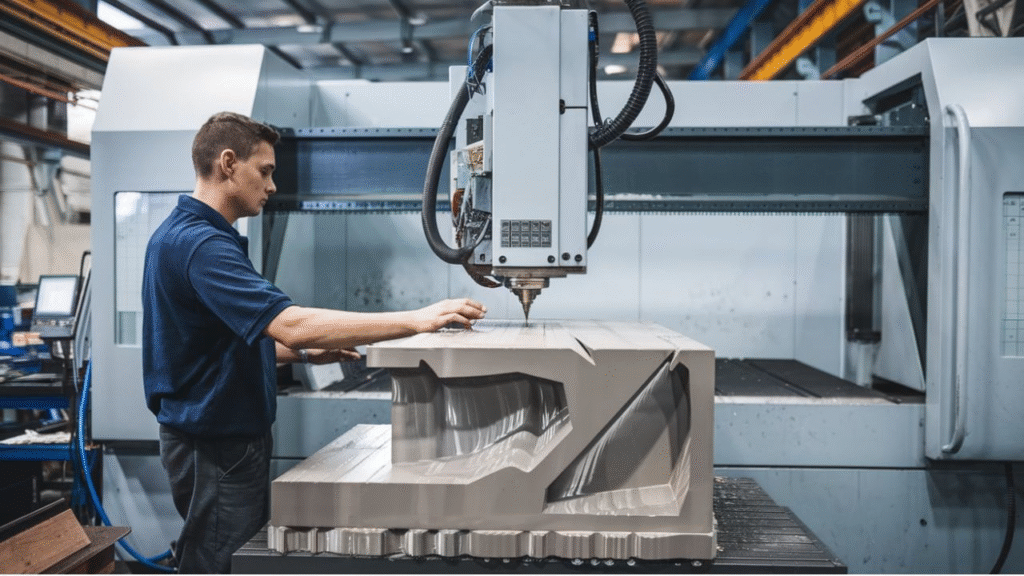
This blog discusses key strategies to optimize your workholding for high-speed CNC machining, focusing on improving cycle times, increasing stability, and reducing the likelihood of errors and defects.
Stability First: Why Workholding is Critical for High-Speed Machining
High-speed machining puts a lot of stress on both the machine and the workpiece. As the spindle speed increases and cutting forces grow, any instability in the workholding system can amplify vibrations, leading to poor surface finishes, tool wear, and dimensional inaccuracies.
This is why workholding plays such a vital role in high-speed CNC operations. It’s not enough to simply clamp the part in place; you need a system that securely holds the part while absorbing cutting forces, preventing part movement, and ensuring that there’s minimal flex or distortion during machining.
The key is to choose a workholding system that is both rigid and repeatable. A system like 3r systems offers a standardized interface that provides this level of precision and repeatability. With a repeatable interface, you can expect fewer adjustments and less variation, reducing cycle times and increasing overall productivity.
Reducing Cycle Time with Efficient Workholding
One of the biggest advantages of optimizing workholding in high-speed CNC machining is the potential to reduce cycle time. When you reduce the time spent on setups, adjustments, and rework, you improve machine efficiency and increase throughput.
Several strategies can help achieve this:
- Use of Zero-Point Clamping Systems
Zero-point clamping systems like 3r systems offer rapid changeover times, as fixtures can be swapped quickly and securely without re-indicating. This reduces downtime between setups and ensures that parts are consistently positioned in the same location every time. - Self-Centering Vises
The use of self-centering vises like the CNC Self Centering Vise is also essential for reducing setup times. These vises automatically align the part to the centerline, eliminating the need for time-consuming manual centering or indicating. This feature is especially helpful when running high-mix, low-volume production, where changeovers are frequent and time is of the essence. - Tool Change Optimization
A workholding system that allows for quick tool changes and easy access to the part can further improve cycle times. This is particularly important when working with multiple tools or machining complex parts that require frequent tool changes.
By reducing time spent on setup and adjustments, you increase the amount of time the machine spends cutting, which directly impacts your bottom line.
Ensuring Part Accuracy: Repeatability in Workholding
In high-speed machining, part accuracy is critical. Even a tiny shift in part alignment can lead to dimensional errors, poor surface finish, or tool damage. Workholding repeatability is crucial for ensuring that parts are consistently held in the correct position, particularly when working with high-speed spindles that can amplify small errors.
To ensure high repeatability, consider the following workholding features:
- Consistent Clamping Force: The clamping force should be even and sufficient to hold the part securely, but not so excessive that it distorts the part. Systems that allow for controlled, adjustable clamping force are ideal for maintaining part accuracy.
- Flexible Fixtures: Fixtures should be adaptable enough to accommodate different part geometries, yet rigid enough to prevent movement. Modular systems like 3r systems allow for quick adjustments while maintaining consistency in positioning.
- Automated Verification: Some advanced workholding systems come with sensors or feedback loops that check for misalignment or fixture movement. This can help ensure that any errors are caught before machining begins, saving time and preventing defects.
Preventing Vibration with Secure, Balanced Clamping
Vibration is one of the most significant challenges in high-speed CNC machining. It can come from various sources—tool deflection, cutting forces, or even the workholding system itself. If the workholding is not secure or balanced, it can lead to resonance or excessive movement, which increases tool wear and compromises part quality.
To prevent vibration, workholding should:
- Distribute Clamping Forces Evenly: Uneven clamping forces can cause parts to flex or distort, leading to vibrations that affect both the surface finish and tool life. Using self-centering workholding modules like the CNC Self Centering Vise ensures that forces are applied symmetrically, reducing the risk of vibration.
- Minimize Part Movement: Rigid workholding systems with minimal movement will prevent part shift during cutting, ensuring that the part stays in position and that vibration is kept to a minimum. Fixtures with large, stable locating surfaces are ideal for this purpose.
Conclusion
Optimizing workholding in high-speed CNC machining isn’t just about increasing productivity—it’s about improving precision, consistency, and reducing operational costs. By investing in reliable, repeatable workholding systems, such as those offered by 3r systems and CNC Self Centering Vise, shops can significantly reduce setup times, improve part accuracy, and prevent issues like vibration that can affect both tool life and part quality.
Incorporating these systems into your workflow helps ensure that machines spend more time cutting and less time idle, which directly contributes to faster cycle times and increased profitability. The right workholding system is the foundation of any efficient high-speed CNC operation—investing in it will pay off in terms of both productivity and precision.