The Rise of No-Code Automation in Modern Business
The digital world is moving faster than ever, and businesses today need systems that can adapt quickly without requiring large development teams. This is where the concept of a No-code automation platform is transforming the way individuals and organizations build workflows, applications, and business systems.
A No-code automation platform allows users to create powerful automated processes without writing a single line of code. Instead of depending on developers, users can visually design workflows using drag-and-drop tools, prebuilt integrations, and simple logic builders. This shift is making automation accessible not only to tech experts but also to entrepreneurs, marketers, freelancers, and small business owners.
The demand for speed, efficiency, and cost reduction is driving massive adoption of no-code solutions across industries. From marketing automation to customer support systems, companies are now building entire digital ecosystems using No-code automation platform tools.
What is a No-Code Automation Platform?
A No-code automation platform is a software solution that enables users to design, integrate, and automate workflows without programming knowledge. These platforms replace traditional coding with visual interfaces where users connect apps, define triggers, and set actions.
For example, you can automate tasks such as sending emails, updating spreadsheets, managing leads, or syncing data between apps like CRMs and marketing tools. All of this is done using simple visual logic rather than complex code.
The core idea is simplicity and accessibility. A No-code automation platform eliminates technical barriers and allows anyone to become a builder of digital systems.
How No-Code Automation Platforms Work
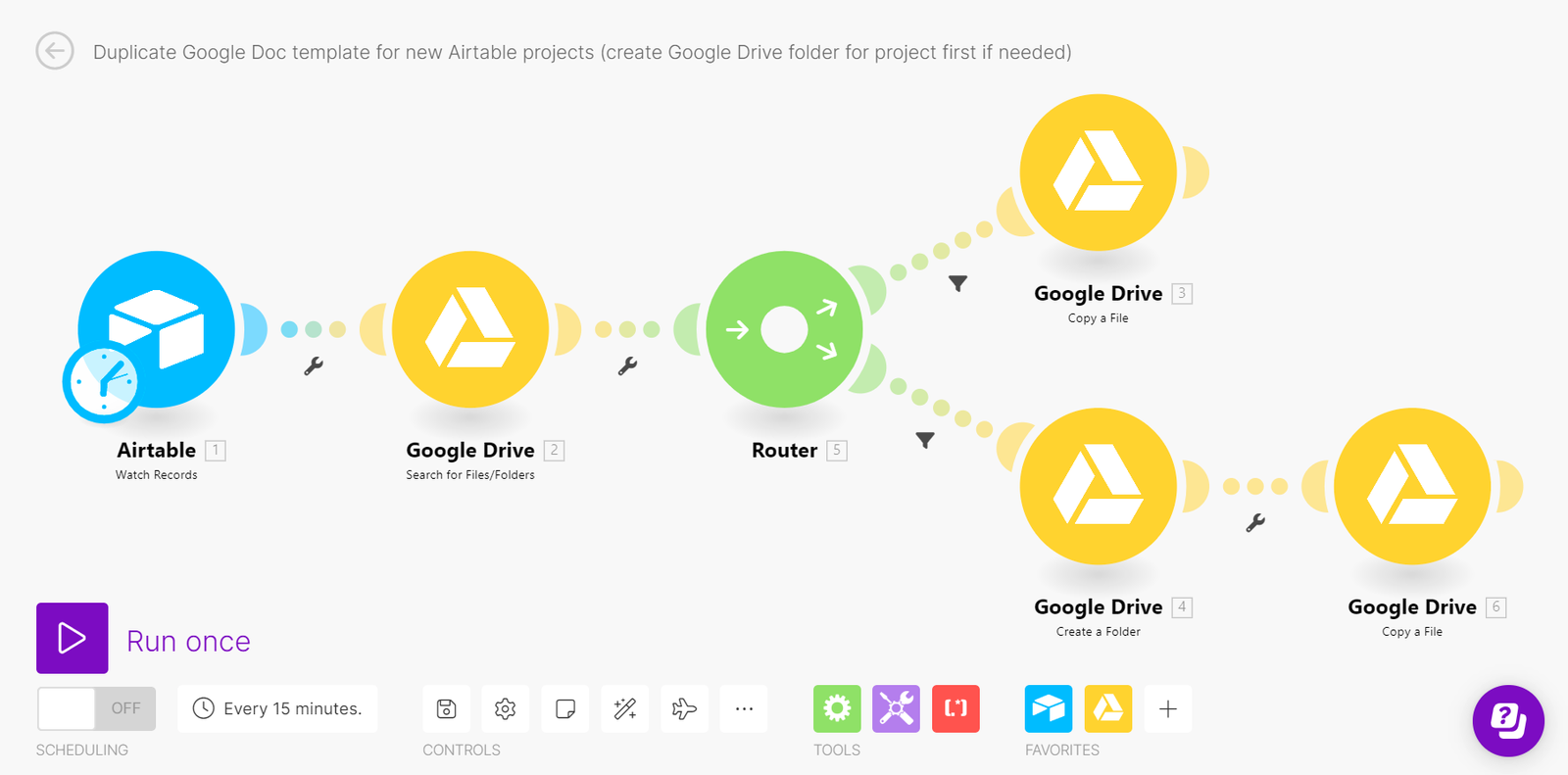
At the heart of every No-code automation platform are three main components: triggers, actions, and workflows.
A trigger is an event that starts the automation process. For example, when a customer fills out a form on your website, that action can trigger a workflow.
An action is what happens next. It could be sending a confirmation email, adding the customer to a database, or notifying a sales team.
A workflow is the complete automation process that connects multiple triggers and actions together in a structured sequence.
These platforms often integrate with hundreds of tools such as email services, CRMs, cloud storage, and social media apps. This makes it possible to build complex systems without writing backend logic.
Benefits of Using No-Code Automation Platforms
One of the biggest advantages of a No-code automation platform is speed. Traditional software development can take weeks or months, while no-code tools allow you to build systems in hours or days.
Cost efficiency is another major benefit. Businesses no longer need to hire large development teams for every automation need. Instead, small teams can manage powerful systems independently.
Flexibility is also a key strength. Users can quickly modify workflows as business needs change without waiting for developer updates. This agility is especially valuable in fast-moving industries like marketing and e-commerce.
Another important benefit is accessibility. A No-code automation platform empowers non-technical users to take control of automation. This reduces dependency on IT departments and encourages innovation across teams.
Real-World Applications of No-Code Automation
No-code automation is being used across multiple industries to simplify operations and improve efficiency.
In marketing, businesses use automation to manage email campaigns, segment audiences, and track customer behavior. A No-code automation platform makes it easy to connect landing pages, email tools, and analytics systems.
In e-commerce, automation helps manage inventory updates, order processing, and customer notifications. Store owners can build complete backend systems without technical expertise.
In HR and recruitment, companies automate job applications, interview scheduling, and employee onboarding workflows. This saves time and reduces manual errors.
In customer support, automation systems handle ticket creation, response routing, and follow-ups, ensuring faster response times and better customer satisfaction.
Why Businesses Are Switching to No-Code Automation
The global shift toward digital transformation is pushing businesses to adopt smarter solutions. A No-code automation platform offers a perfect balance between simplicity and power.
Traditional development requires technical expertise, long timelines, and high costs. In contrast, no-code solutions provide instant deployment and easy scalability.
Startups especially benefit from this approach because they can launch products and systems quickly without heavy investment. Large enterprises also use no-code tools to speed up internal processes and reduce workload on engineering teams.
Another reason for this shift is innovation. When non-technical team members can build systems, new ideas are implemented faster, leading to improved creativity and productivity across the organization.
Limitations of No-Code Automation Platforms
While powerful, a No-code automation platform is not without limitations. One common challenge is customization. Highly complex systems may still require traditional coding for advanced functionality.
Another limitation is platform dependency. Businesses relying heavily on a single no-code tool may face restrictions if they need to migrate or scale beyond the platform’s capabilities.
Performance can also be a concern in extremely large-scale applications where traditional software development may offer more control and optimization.
However, for most business use cases, these limitations are minor compared to the benefits.
Future of No-Code Automation Platforms
The future of automation is clearly moving toward simplicity and accessibility. A No-code automation platform will continue to evolve with more advanced features, including AI integration, smarter workflow suggestions, and deeper system integrations.
Artificial intelligence will play a major role in making automation even easier. Soon, users may simply describe what they want, and the platform will automatically build workflows.
This evolution will further reduce the gap between technical and non-technical users, making digital system creation available to everyone.
As businesses continue to prioritize efficiency and speed, no-code automation will become a standard part of digital infrastructure.
Conclusion
A No-code automation platform is revolutionizing the way systems are built and managed. It empowers individuals and businesses to create powerful workflows without coding knowledge, reducing costs, saving time, and increasing productivity.
From marketing to e-commerce and customer service, no-code automation is reshaping industries and enabling faster digital transformation. While it has some limitations, its benefits far outweigh the drawbacks for most users.
As technology continues to evolve, no-code platforms will play an even bigger role in shaping the future of automation, making system-building accessible to everyone, not just developers.