Floods can strike with little warning, leaving behind a trail of destruction that affects homes, businesses, and entire communities. Once the water recedes, the real challenge begins: restoring the affected area to a safe and livable condition. This is where flood damage cleaning becomes essential. Proper cleanup is not just about removing water—it involves sanitation, structural drying, mold prevention, and restoring damaged belongings.
Understanding how to handle flood damage cleaning effectively can make a significant difference in recovery time, health risks, and overall repair costs. This guide walks you through everything you need to know.
Understanding the impact of flood damage
Floodwater is rarely clean. It often contains dirt, sewage, chemicals, and other contaminants that pose serious health risks. When water enters a building, it quickly spreads through flooring, walls, furniture, and electrical systems. Within hours, moisture begins to weaken structures and create the perfect environment for mold growth.
One of the biggest challenges in flood damage cleaning is that damage continues even after visible water is removed. Materials like drywall, wood, and insulation can retain moisture for days if not properly treated. This is why immediate action is crucial.
Safety first before starting cleanup
Before beginning any flood damage cleaning process, safety must be the top priority. Flooded environments can contain hidden dangers such as electrical hazards, contaminated water, and unstable structures.
Always turn off electricity in affected areas before entering. Wear protective gear including gloves, boots, masks, and waterproof clothing. If the flooding is severe or involves sewage, it is often safer to wait for professional assistance rather than attempting cleanup alone.
Removing standing water efficiently
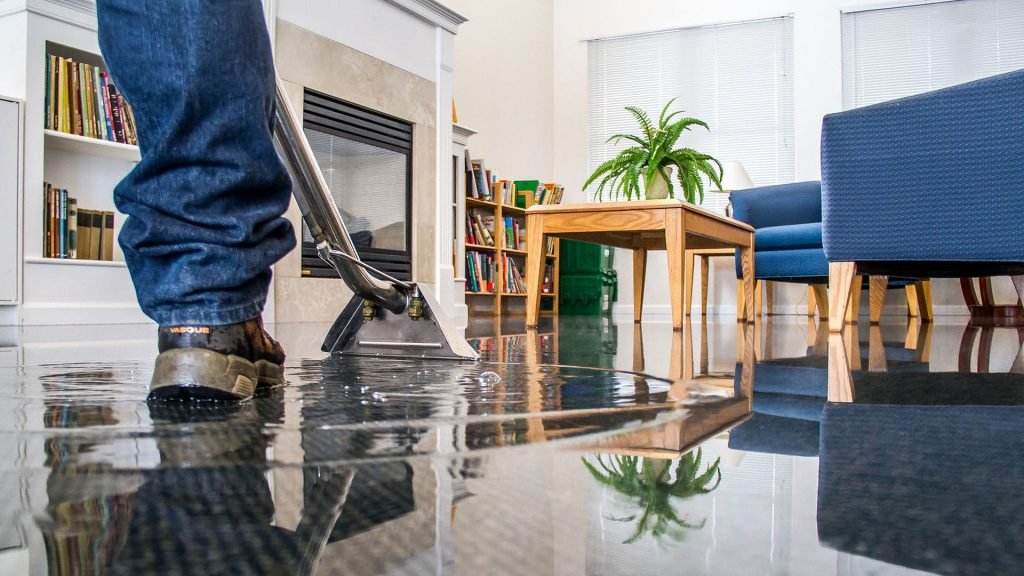
The first step in flood damage cleaning is water removal. The longer water sits, the greater the damage becomes. Depending on the severity of flooding, different tools may be used:
- Buckets and mops for minor flooding
- Wet/dry vacuum cleaners for moderate water accumulation
- Submersible pumps for severe flooding situations
Speed is critical here. Removing water quickly helps prevent further absorption into building materials and reduces the risk of mold development.
Drying and dehumidification process
Once standing water is removed, the next phase of flood damage cleaning is thorough drying. This step is often more time-consuming than water removal itself.
Industrial fans, air movers, and dehumidifiers are commonly used to circulate air and extract moisture from walls, floors, and furniture. Windows and doors should be opened when weather permits to improve ventilation.
Drying must continue until all hidden moisture is eliminated. Even if surfaces appear dry, moisture can remain trapped inside materials, which can lead to long-term damage if ignored.
Cleaning and disinfecting affected areas
Floodwater often carries harmful bacteria and contaminants, making disinfection a critical part of flood damage cleaning. All surfaces that came into contact with floodwater should be thoroughly cleaned using antimicrobial and disinfectant solutions.
Hard surfaces like tiles, metal, and plastic can usually be cleaned and restored. However, porous materials such as carpets, mattresses, and some types of furniture may need to be discarded if contamination is severe.
This stage ensures that the environment is not only visually clean but also safe for habitation.
Mold prevention and treatment
Mold is one of the most serious consequences of flooding. It can begin forming within 24 to 48 hours in damp environments. Effective flood damage cleaning always includes mold prevention strategies.
Key steps include:
- Ensuring complete drying of all surfaces
- Removing water-damaged materials that cannot be salvaged
- Applying anti-mold treatments to vulnerable areas
- Monitoring humidity levels in the affected space
If mold growth is already visible, professional remediation may be required, as improper handling can spread spores further.
Assessing structural damage
Floods can weaken the structural integrity of buildings. During flood damage cleaning, it is important to inspect walls, floors, ceilings, and foundations for signs of damage.
Warped wood, cracked drywall, and sagging ceilings are warning signs that should not be ignored. Electrical systems and plumbing should also be checked by professionals before reuse.
Ignoring structural issues can lead to long-term safety hazards, even after the cleanup is complete.
Restoring furniture and belongings
Not all items damaged in a flood are beyond saving. Part of flood damage cleaning involves evaluating what can be restored.
Non-porous items such as metal furniture, glass, and some appliances can often be cleaned, disinfected, and reused. Upholstered furniture and carpets may be salvageable if they were exposed to minimal contamination and treated quickly.
Personal items like documents, photos, and clothing may require specialized cleaning methods such as freeze-drying or professional restoration services.
Preventing future flood damage
After completing flood damage cleaning, it is important to take preventive measures to reduce the risk of future flooding. Some practical steps include:
- Installing proper drainage systems around the property
- Using waterproof sealants on basement walls
- Elevating electrical systems and appliances
- Keeping gutters and drains clean and unclogged
- Considering flood barriers in high-risk areas
Preparation can significantly reduce damage if flooding occurs again.
When to hire professional flood restoration services
While minor flooding can sometimes be handled independently, severe cases of flood damage cleaning often require professional expertise. Restoration companies have specialized equipment such as industrial pumps, moisture meters, and high-powered drying systems that ensure thorough cleanup.
Professionals also follow industry standards to ensure safety, prevent mold growth, and restore properties efficiently. Hiring experts can save time, reduce health risks, and improve long-term outcomes.
Final thoughts
Flood recovery is a challenging process that requires speed, care, and proper technique. Effective flood damage cleaning is not just about removing water—it is about restoring safety, preventing long-term damage, and protecting health.
By acting quickly, following proper cleaning procedures, and seeking professional help when necessary, homeowners and businesses can recover more effectively from flood-related disasters. With the right approach, even severe flood damage can be managed and restored over time.