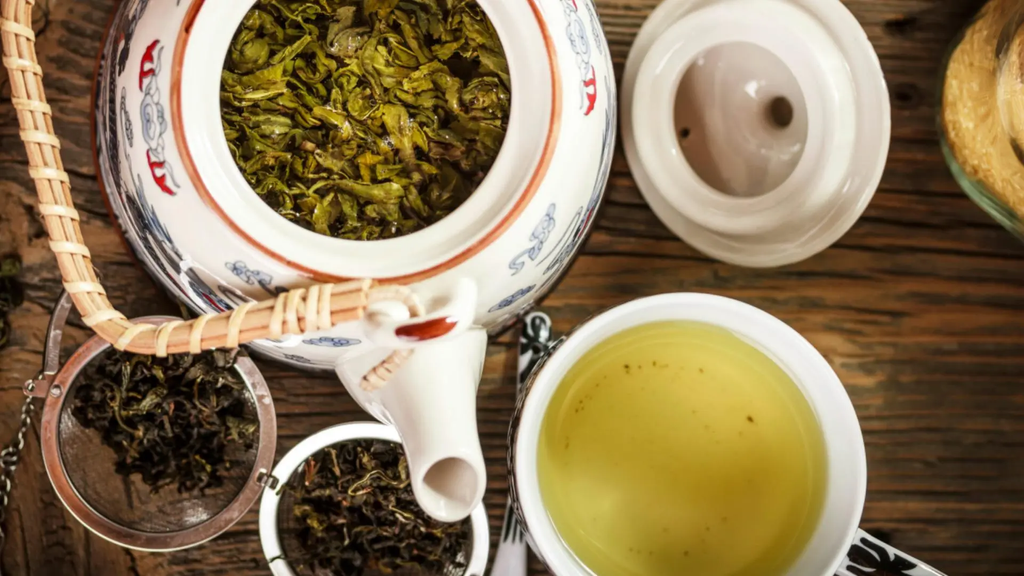
Some cups of tea leave you with nothing more than a bitter taste, while others make you want to sit back and enjoy the moment a little longer. A gentle aroma of young rice shoots rises from the cup, the initial bitterness fades quickly, and a pleasant sweetness lingers in the throat. When using the same package of trà xanh Thái Nguyên, the difference between these two experiences often comes down to brewing and drinking techniques more than you might imagine.
This article is not about where to buy tea or which variety to choose. Instead, it focuses on what happens after the tea package is on your table: what you need to prepare, how to brew the tea, how to enjoy it, and how to develop a routine that makes every cup a pleasant experience.
Quick Summary
- Water and temperature matter just as much as the tea: A temperature of around 80–90°C is ideal. Avoid using vigorously boiling water.
- Clean, odor-free equipment preserves the aroma: Use a porcelain or clay teapot and small cups.
- Brew small amounts and enjoy multiple infusions: Keep each steeping session relatively short and drink small cups to appreciate the changing flavors.
- Tea appreciation is about drinking slowly: Observe the color, smell the aroma, take a small sip, and then swallow.
- Choose light snacks: Avoid foods that overpower the delicate flavor of the tea.
1. A Great Cup of Tea Starts with Small Details
Many people believe that making delicious tea simply requires buying high-quality tea. In reality, tea is a sensitive beverage. Changes of a few dozen degrees in water temperature, a difference of a few grams of tea, or a slightly longer steeping time can all affect its flavor.
With chè Thái Nguyên, this becomes especially noticeable. Green tea is unfermented, so its flavor is fresh and delicate. It can easily lose its appeal if brewed incorrectly. Water that is too hot can make the tea bitter and diminish its fresh, young-rice-shoot aroma. Steeping it for too long can produce a harsh, astringent taste, while equipment with lingering odors can mask its natural fragrance.
The good news is that these problems are easy to avoid once you understand a few basic principles.
2. Preparing Your Tea Equipment: Keep It Simple and Clean
You do not need an expensive tea set to enjoy a good cup of tea. What matters most is cleanliness and the absence of unwanted odors.
| Equipment | Recommendation | Why It Matters |
|---|---|---|
| Teapot | Porcelain, glass, or clean clay | Helps preserve the natural aroma and flavor of the tea |
| Tea cups | Small cups with relatively thin walls | Allow you to enjoy the tea in small sips and appreciate its flavor |
| Tea pitcher | A small serving pitcher, if available | Helps distribute the tea evenly among several cups |
| Water kettle | A kettle that allows you to control or estimate the temperature | Helps prevent the water from becoming too hot for green tea |
Tip: Avoid using the same teapot for strongly scented teas or other aromatic beverages, as odors can linger in the pot. If you drink several types of tea, consider keeping a separate teapot for green tea.
3. Brewing Water: The Often-Overlooked Factor
Water Temperature
For green tea, a water temperature of approximately 80–90°C is generally suitable. If you bring the water to a boil, let it cool for about one to two minutes before pouring it over the tea. Alternatively, transfer the hot water to another container to help lower its temperature.
Water Quality
Use clean water without a strong chlorine smell or other unpleasant odors. Filtered water or boiled water from a reliable source is a safe choice.
Water-to-Tea Ratio
For a teapot holding approximately 150–200 ml of water, start with 5–7 grams of tea. You can adjust the quantity according to your preferences. Use a little more tea for a stronger flavor or less for a lighter infusion.
4. How to Brew Green Tea Step by Step
Step 1: Rinse the Teapot and Cups
Pour hot water into the teapot and cups, then discard it. This warms the equipment and helps remove dust while maintaining a more stable temperature during brewing.
Step 2: Add the Tea Leaves
Place approximately 5–7 grams of tea into the teapot. Take a moment to smell the dry leaves and appreciate their initial fresh aroma.
Step 3: Rinse the Tea Leaves
Pour a small amount of water over the leaves, gently swirl the teapot, and immediately discard the water. This optional step helps awaken the aroma, allows the leaves to begin opening, and removes some loose particles.
Step 4: Brew the Tea
Pour water at approximately 80–90°C into the teapot. Cover it and allow the tea to steep for around one to two minutes.
Step 5: Pour the Tea
Pour the tea evenly into the cups. If you have a serving pitcher, transfer the infusion into it before distributing the tea among the cups. This helps ensure that each cup has a similar strength.
Empty the teapot completely rather than leaving the leaves submerged in water for too long.
Step 6: Prepare Subsequent Infusions
For each subsequent infusion, increase the steeping time by a few seconds, adjusting according to the flavor. Good-quality tea can often provide three to four enjoyable infusions.
5. Enjoying Tea: Slow Down to Appreciate Its Flavor
This is what distinguishes simply drinking tea from truly appreciating it. Follow these three steps to make the experience more rewarding.
- Look: Observe the color of the infusion. Good green tea often produces a clear, bright yellow-green color.
- Smell: Bring the cup close to your nose and inhale gently to appreciate its fresh aroma, which may evoke young rice shoots or tender green grass.
- Sip: Take a small sip and allow the tea to remain in your mouth for a few seconds before swallowing. Notice three stages of flavor: the initial mild astringency, the fuller flavor in the middle, and the gentle sweetness that lingers afterward.
Each infusion can offer a slightly different experience. The first often has a pronounced aroma, the middle infusions may provide the fullest flavor, and the later ones gradually become lighter. Drinking slowly allows you to notice these changes.
6. Exploring Trà Tân Cương and Taking Time to Enjoy Every Cup
If you have the opportunity to try trà Tân Cương Thái Nguyên, set aside some time for a carefully prepared tea session. This variety is often described as having a delicate young-rice-shoot aroma and a noticeable lingering sweetness. These characteristics make it suitable for practicing the art of tea appreciation: brew small amounts, drink slowly, and observe how the aroma and aftertaste develop with each infusion.
Here is a simple suggestion: prepare only enough tea to finish within approximately 15–20 minutes. Tea left to cool for too long may lose some of its aroma and become less enjoyable.
7. What Foods Pair Well with Tea?
Tea pairs best with light snacks that do not overpower its delicate flavor. Here are some familiar options:
- Lightly sweetened pastries: Biscuits, mung bean cakes, and traditional Vietnamese mung bean pastries can balance the tea’s astringency.
- Candied fruits and dried fruit: Choose varieties with moderate sweetness and a pleasant chewy texture.
- Nuts and seeds: Lotus seeds, cashews, and lightly roasted watermelon seeds are suitable choices.
- Fresh fruit: Thin slices of pear, apple, or orange provide a refreshing contrast.
Avoid eating foods that are excessively spicy, salty, or oily immediately before or during a tea session. These flavors can reduce your ability to appreciate the tea’s more subtle characteristics.
8. Common Mistakes When Brewing Tea
| Common Mistake | Result | How to Fix It |
|---|---|---|
| Using water that is too hot | The tea may taste excessively bitter and lose some of its delicate aroma | Keep the water temperature around 80–90°C |
| Adding too many tea leaves | The infusion may become too strong or astringent | Start with 5–7 grams per 150–200 ml of water |
| Steeping the tea for too long | The flavor may become harsh and unpleasant | Begin with a steeping time of one to two minutes |
| Leaving the leaves submerged after brewing | The tea continues extracting and may become bitter | Pour out the entire infusion after each brewing cycle |
| Using a teapot with lingering odors | The tea’s natural fragrance may be masked | Clean the equipment thoroughly and avoid strongly scented residues |
| Using poor-quality water | Unpleasant odors or mineral flavors may affect the tea | Use clean, good-quality water |
| Drinking too quickly | Subtle aromas and changes in flavor may go unnoticed | Take small sips and allow yourself time to appreciate each infusion |
9. Building a Daily Tea-Drinking Habit
A few simple adjustments can turn tea drinking into a pleasant break in your day.
- In the morning: Prepare a light pot of tea and enjoy it slowly before beginning work. If you are sensitive to tea, avoid drinking it on an empty stomach.
- Between tasks: Enjoy a small cup of tea instead of reaching for another sugary drink.
- When entertaining guests: Brewing tea on the spot and serving it to your guests is a familiar gesture of hospitality that creates a welcoming atmosphere.
- In the evening: Avoid drinking tea too close to bedtime if you are sensitive to caffeine.
Drink in moderation and pay attention to how your body responds. People who are sensitive to caffeine, pregnant or breastfeeding women, and those with medical conditions should consult a healthcare professional about an appropriate amount of tea.
10. Keeping Your Tea Fresh for the Next Cup
A delicious cup of tea depends on leaves that retain their aroma and quality. Follow these storage guidelines:
- Store the tea in a vacuum-sealed bag or an airtight container.
- Keep it in a cool, dry place away from direct sunlight.
- Store it away from strong-smelling foods, such as spices and dried fish.
- Divide the tea into smaller portions for regular use to avoid repeatedly opening the main package.
- Use the tea within the shelf life indicated on the packaging.
Frequently Asked Questions (FAQ)
1. What temperature should I use to brew green tea?
A temperature of approximately 80–90°C is generally suitable. Boiling water at 100°C may make the tea excessively bitter and diminish its delicate aroma.
2. How much tea should I put in a teapot?
Start with approximately 5–7 grams of tea for 150–200 ml of water. Increase the amount for a stronger infusion or reduce it for a lighter flavor.
3. How many infusions can I get from one pot of tea?
Good-quality tea can often provide three to four enjoyable infusions. Increase the steeping time by a few seconds for each subsequent infusion, adjusting to taste.
4. Is rinsing the tea leaves necessary?
No, it is not essential. However, a quick rinse can help awaken the aroma, encourage the leaves to open, and remove some loose particles.
5. Which equipment is best for brewing green tea?
A clean, odor-free porcelain, glass, or clay teapot works well, along with small cups that have relatively thin walls. Expensive equipment is unnecessary; cleanliness and the absence of lingering odors are more important.
6. What snacks taste good with tea?
Choose light, moderately sweet snacks such as biscuits, mung bean cakes, dried fruit, nuts, or fresh fruit. Avoid foods that are excessively spicy, salty, or oily.
7. Can I drink tea that has been left overnight?
It is best to avoid drinking tea that has been left overnight. Brewed tea can lose its flavor and raise food-safety concerns when stored improperly for extended periods. Prepare an amount that you can comfortably finish during the day.
8. Who should be cautious when drinking green tea?
People who are sensitive to caffeine may experience discomfort, particularly when drinking tea on an empty stomach or close to bedtime. Pregnant or breastfeeding women and people with medical conditions should consult a healthcare professional about an appropriate intake.
Start Your First Tea Session with Foody24h
If you would like to put these tips into practice, start with a small package of tea and experiment with your brewing technique.
Foody24h offers several varieties of Thai Nguyen tea, including tea buds, young tea shoots, Grade 1 tea, Tân Cương tea, and tea bags. Available packaging options include 100 g, 200 g, 500 g, and 1 kg packages, as well as gift boxes.
The products are carefully packaged, with nationwide delivery available. Payment options include cash on delivery (COD), bank transfer, MoMo, and Zalo.
Whether you are developing a daily tea-drinking routine or preparing tea for guests, the key is to pay attention to the details. Use clean equipment, control the water temperature, adjust the steeping time, and take the time to appreciate every cup.