Ethnic fashion is a vibrant celebration of culture, heritage, and artistic expression. Rooted deeply in centuries of history, Indian ethnic wear represents an intricate tapestry of traditional craftsmanship, rich textiles, and regional diversity. From the elegant drapes of a saree to the majestic silhouette of a lehenga choli, these garments are far more than mere clothing; they are living symbols of identity, elegance, and tradition. Today, as global fashion trends continually evolve, traditional clothing from the Indian subcontinent continues to captivate fashion enthusiasts around the globe, seamlessly blending centuries-old traditions with contemporary aesthetics.
The Rich Heritage Behind Indian Ethnic Wear
To truly appreciate modern fashion, one must understand its roots. The history of traditional attire in India dates back to ancient civilizations, where handloom weaving, natural dyes, and hand-embroidery formed the backbone of textile art. Every region across the country developed its unique style, influenced by climate, local culture, and royal patronage.
In the northern regions, intricate embroidery styles like Chikankari, Zardozi, and Phulkari became iconic, transforming humble fabrics into regal masterpieces. Meanwhile, the southern states became world-renowned for their rich silk weaving techniques, giving rise to legendary creations like Kanjeevaram and Mysore silk. Western India introduced vibrant tie-dye methods such as Bandhani and Leheriya, alongside exquisite mirror work, while the east contributed breathtaking Kantha embroidery and lightweight Jamdani weaves.
This magnificent heritage ensures that Indian ethnic wear is never just a single aesthetic, but rather a rich spectrum of artistic traditions passed down through generations of skilled artisans.
Key Categories of Traditional Indian Attire
The versatility of traditional clothing lies in its vast range of styles, tailored for various occasions, age groups, and personal preferences. Whether attending a grand wedding, celebrating a festive holiday, or dressing up for a cultural gathering, there is always a perfect outfit choice.
1. The Elegant Saree
Often considered the ultimate symbol of graceful fashion, the saree is a unstitched piece of fabric—typically five to nine yards in length—draped skillfully around the body. What makes the saree truly remarkable is its infinite adaptability. From crisp cotton sarees worn for daily comfort to heavy silk, organza, and chiffon varieties reserved for special occasions, this timeless garment flatters every body type and age.
2. The Grand Lehenga Choli
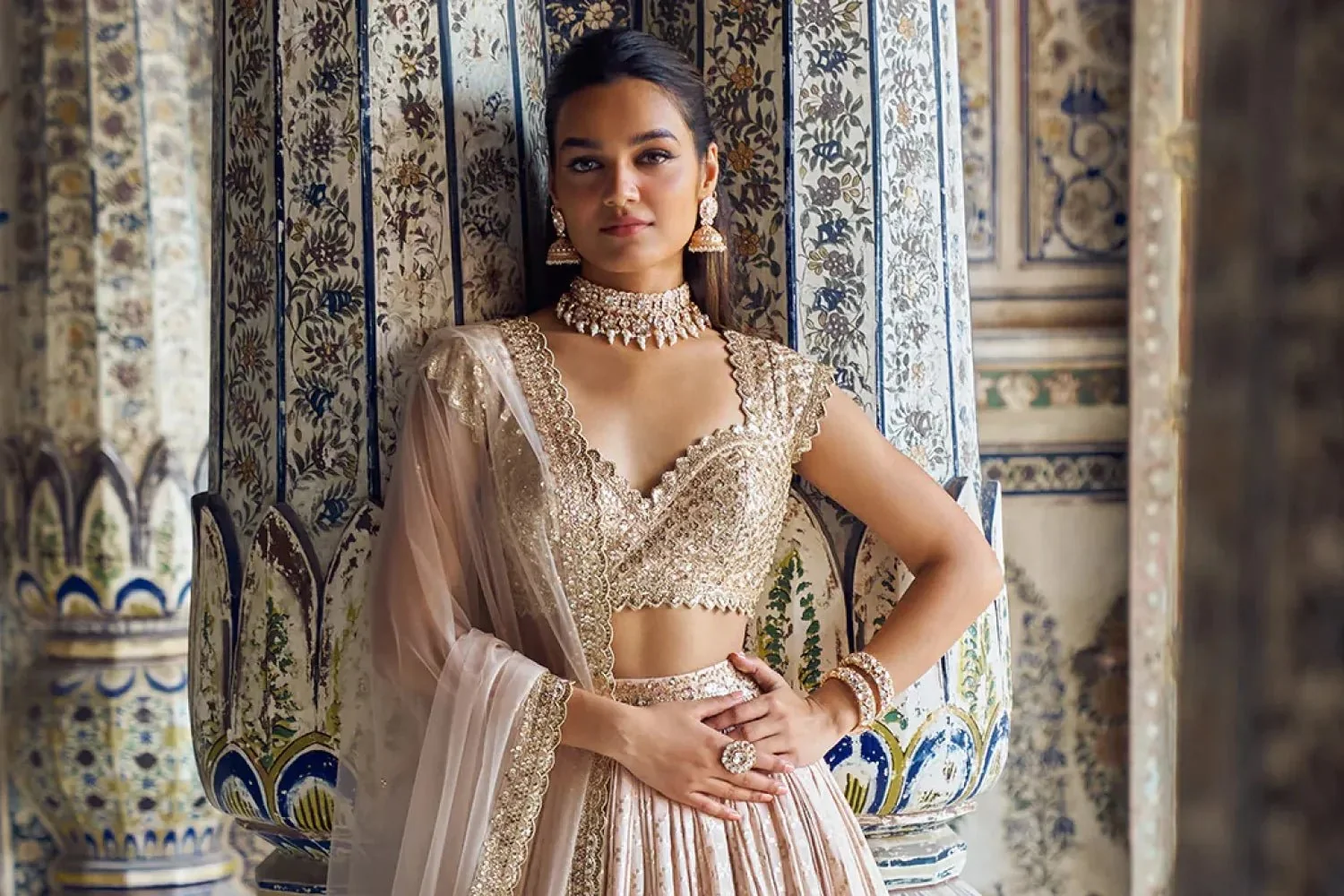
For grand celebrations, grand galas, and wedding festivities, the lehenga choli remains an undisputed favorite. Comprising a flared floor-length skirt (lehenga), a fitted blouse (choli), and an embellished drape (dupatta), this outfit offers maximum room for creative embroidery, intricate stonework, and heavy ornamentation. Modern designers continue to reinvent the lehenga by experimenting with unconventional cuts, pastel color palettes, and lightweight structural fabrics.
3. The Versatile Salwar Kameez
Combining comfort with timeless style, the salwar kameez is a staple in everyday and festive closets alike. Consisting of a tunic or top (kameez), trousers (salwar, straight pants, or churidar), and a matching scarf (dupatta), this ensemble caters to diverse lifestyles. Variations like Anarkali suits—known for their flared, floor-length silhouettes—bring a royalty-inspired flair, while simple straight-cut suits provide understated chic for casual outings or work environments.
4. Majestic Menswear: Kurta Pyjama and Sherwani
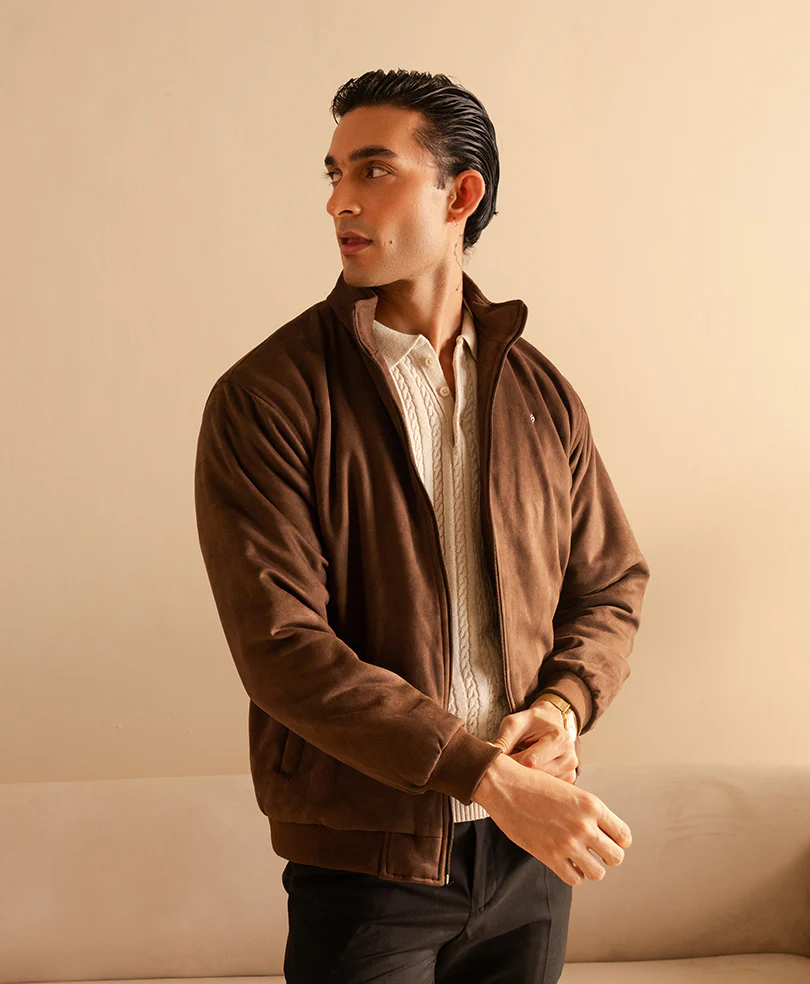
Traditional attire for men has also experienced a massive design revolution. The classic kurta pyjama serves as a versatile staple for casual gatherings and pujas, while opulent sherwanis, bandhgalas, and Nehru jackets take center stage during weddings and formal receptions. Crafted from rich jacquards, silks, and velvet fabrics, modern traditional menswear offers an ideal balance of sharp tailoring and heritage aesthetics.
Modern Trends Transforming Indian Ethnic Wear
While traditional designs carry immense historical value, contemporary fashion designers are constantly pushing boundaries to make traditional outfits more accessible, comfortable, and relevant for modern lifestyle needs.
Fusion and Indo-Western Aesthetics
One of the biggest transformations in recent years is the rise of fusion wear. Designers are mixing traditional Indian fabrics and motifs with modern Western silhouettes. Examples include saree gowns, crop tops paired with lehenga skirts, denim jackets over kurtis, and pre-draped or belt-accented sarees. This fusion movement appeals especially to younger generations who seek standard cultural elegance without compromising on movement and modern convenience.
The Shift Toward Pastel and Minimalist Palettes
While bright jewel tones like royal crimson, deep emerald, and peacock blue remain timeless classics, recent trends show a dramatic surge in demand for muted, minimalist color schemes. Soft pastel shades—such as dusty rose, mint green, powder blue, lavender, and champagne gold—have taken over bridal and festive wear collections, offering a subtle, sophisticated charm suitable for daytime celebrations.
Sustainable and Handloom Revival
In an era increasingly focused on eco-friendly living, there is a renewed appreciation for handloom fabrics and sustainable fashion practices. Consumers are actively seeking out authentic handwoven silks, khadi, linen, and organic cotton. Supporting traditional weavers not only promotes eco-conscious wardrobes but also preserves priceless artisanal communities and age-old craft techniques.
Dressing for Occasions: Choosing the Right Look
Navigating traditional fashion choices requires an understanding of venue, timing, and formality. Here are quick guidelines to help choose the ideal outfit for any event:
- Festivals and Religious Ceremonies: Opt for vibrant, comfortable choices like flared Anarkalis, silk kurtas, or breezy Bandhani sarees. Keep embellishments lightweight to stay comfortable throughout traditional rituals.
- Weddings and Formal Galas: Embrace rich fabrics such as velvet, heavy raw silk, or embellished georgette. Richly embroidered lehengas, silk sarees, or tailored sherwanis adorned with Zardozi or Sequin work make a striking impression.
- Casual Cultural Gatherings: Choose breathable cotton or linen suit sets, simple printed kurtis, or soft short tunic drapes paired with oxidized silver jewelry for a relaxed yet culturally expressive look.
The Global Impact of Traditional Indian Fashion
The global reach of traditional South Asian fashion continues to expand exponentially. High-profile international fashion weeks, red-carpet events, and Hollywood celebrities frequently showcase handcrafted embroideries, draped silhouettes, and luxurious silk textiles inspired by traditional techniques. Furthermore, global diaspora communities play a key role in celebrating cultural identity during international festivals, ensuring that these iconic styles continue to leave an indelible mark on worldwide fashion trends.
Conclusion
The enduring popularity of Indian ethnic wear lies in its unique ability to honor deep-seated cultural roots while welcoming innovative modern designs. Whether through a handwoven heritage saree or a sleek, fusion-inspired Indo-Western ensemble, traditional clothing remains an everlasting statement of grace, artistry, and self-expression. As fashion continues to progress, these timeless garments will undoubtedly remain a beloved cornerstone of style across the globe for generations to come.